

HeatnBond: What It Is and How to Use It (A Quilter & Crafter’s Guide)
HeatnBond: What It Is and How to Use It (A Quilter & Crafter’s Guide)
If you’ve ever wanted to add appliqué, secure fabric layers, or skip pinning and basting, HeatnBond might already be your best friend—or about to become one. This fusible adhesive is a staple in many sewing and crafting rooms.
Let’s break down what HeatnBond is, the different types, and how to use it correctly.
🧵 What Is HeatnBond?

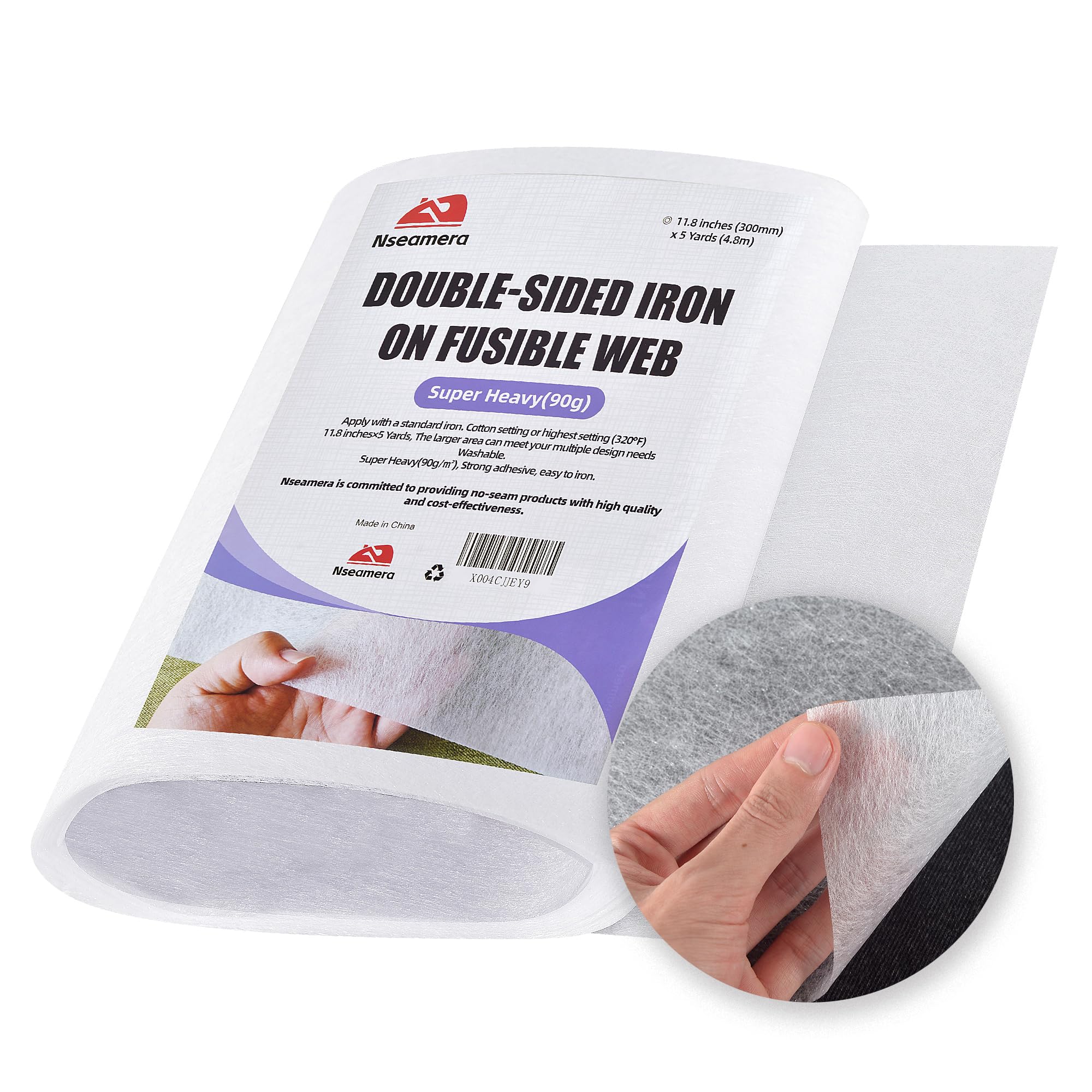
HeatnBond is a fusible adhesive web that bonds fabric to fabric using heat from an iron. It eliminates the need for pins, glue, or basting stitches for many projects.
It’s commonly used for:
-
Appliqué
-
Hemming
-
No-sew projects
-
Securing fabric before stitching
-
Craft and home décor projects
🪡 Types of HeatnBond
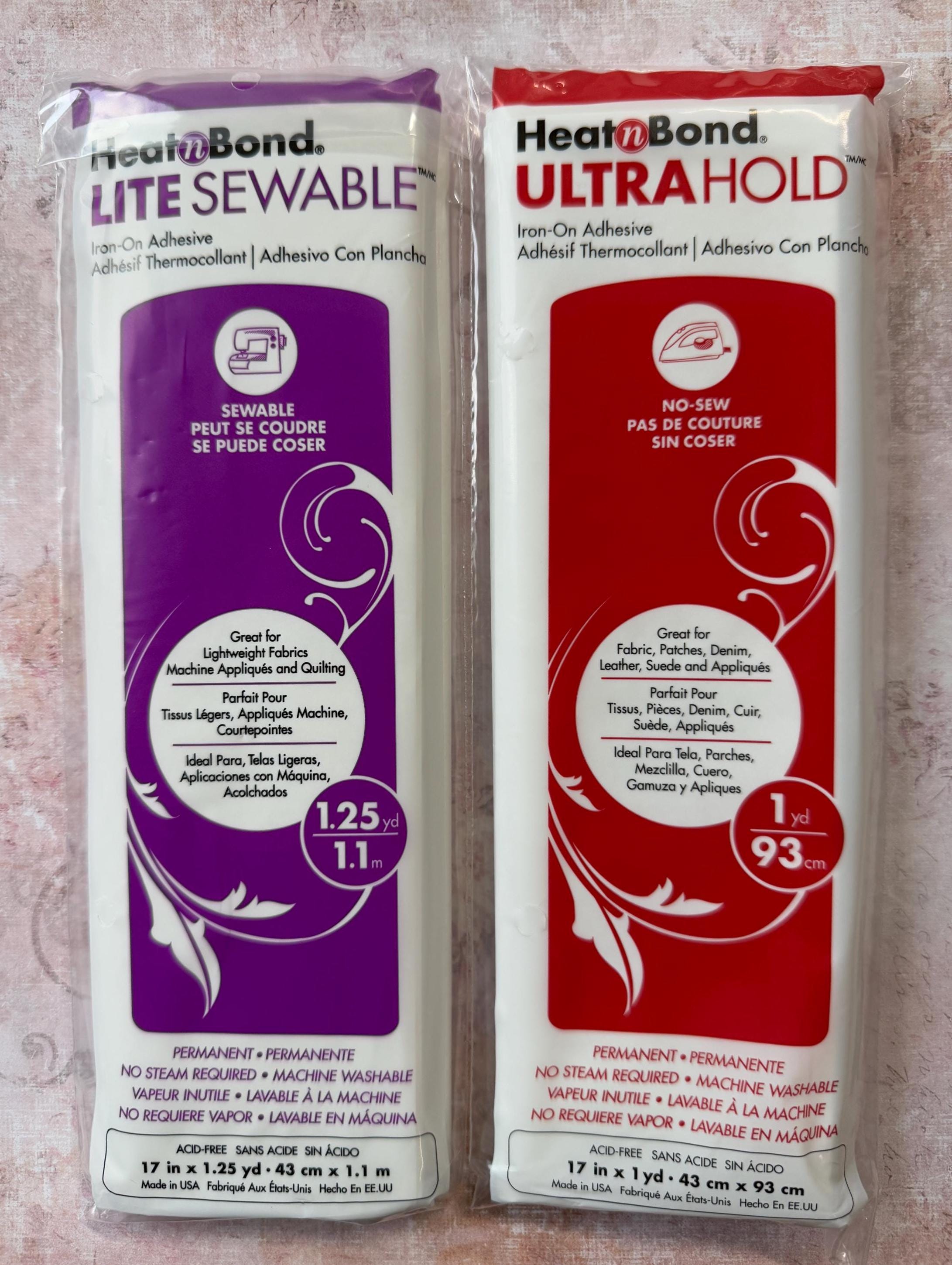

HeatnBond comes in several versions—choosing the right one matters.
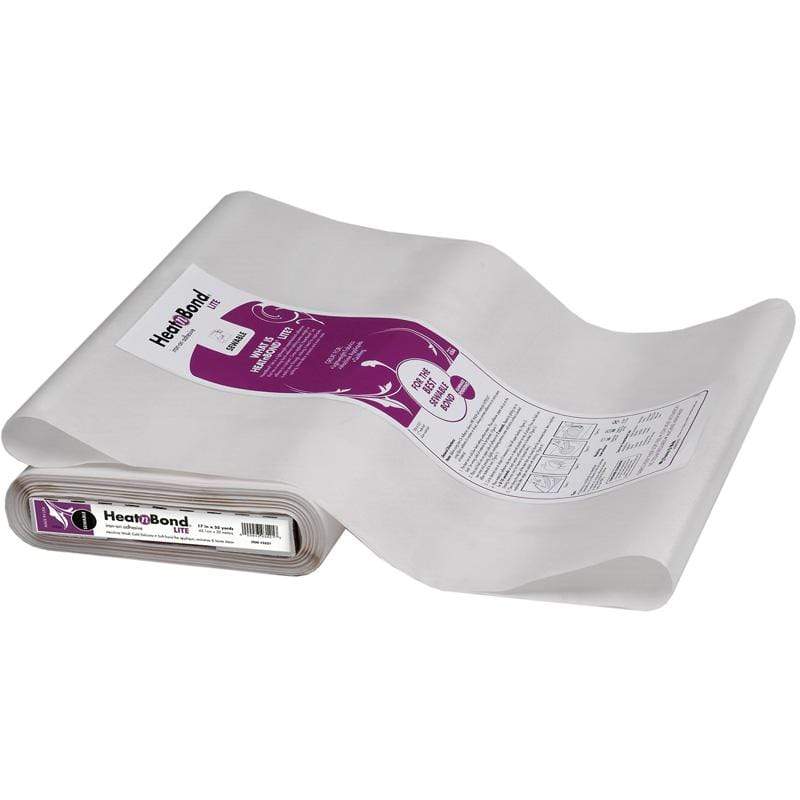
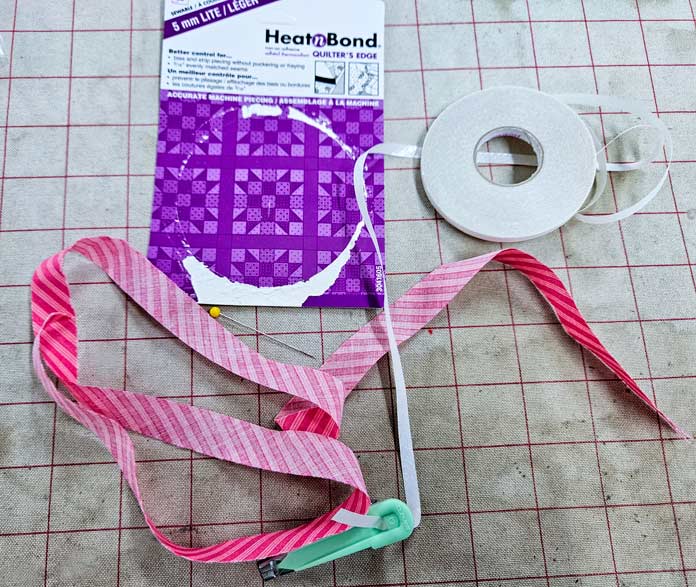
HeatnBond Lite
-
Sewable
-
Soft and flexible
-
Ideal for quilting and apparel
-
Requires stitching after fusing
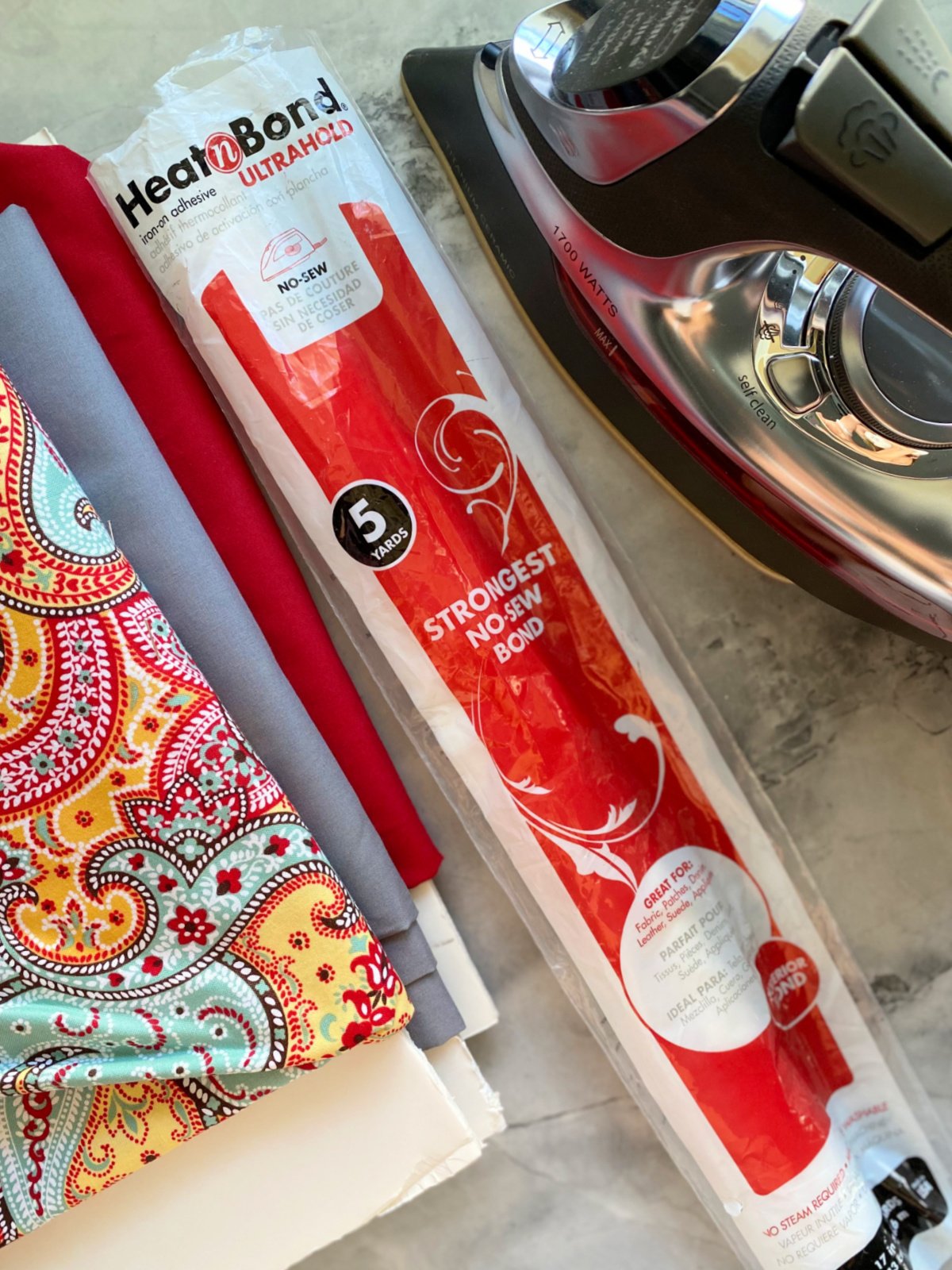
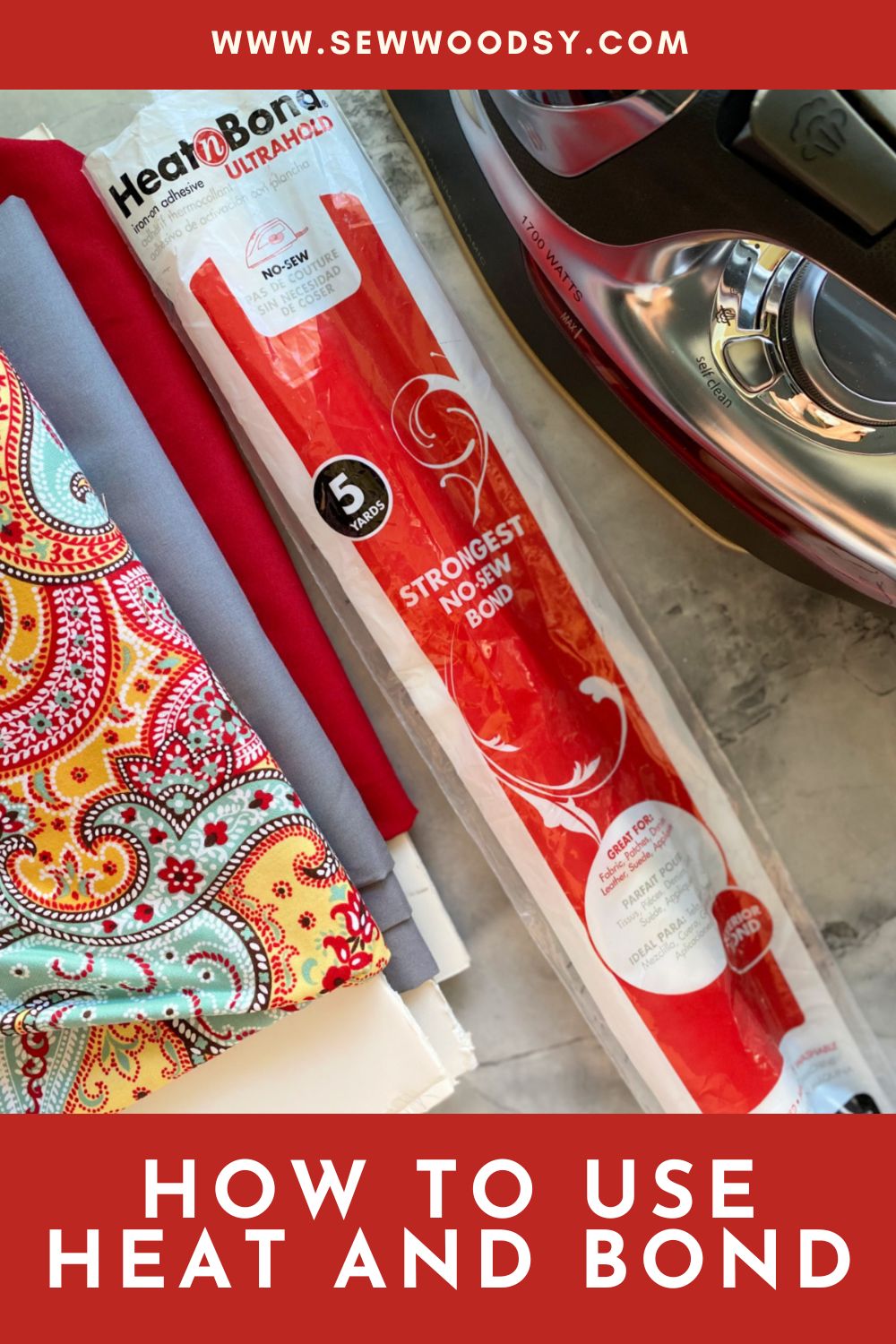
HeatnBond Ultrahold
-
No-sew
-
Strong, permanent bond
-
Stiffer finish
-
Great for crafts, signs, and décor
🧵 Quilter tip: Always choose Lite if you plan to sew through it.
✂️ What Projects Is HeatnBond Used For?
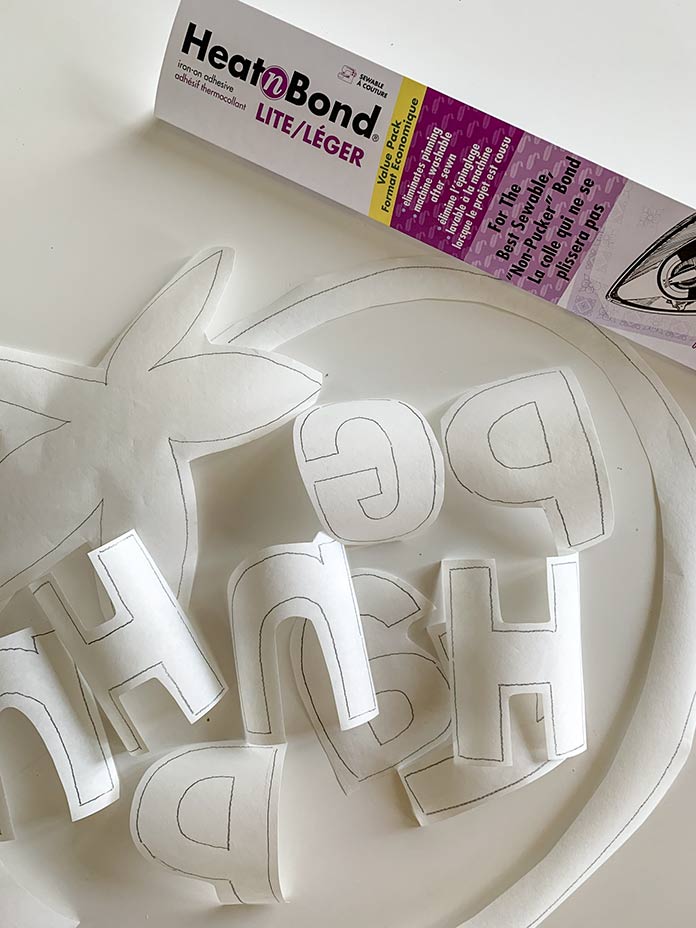
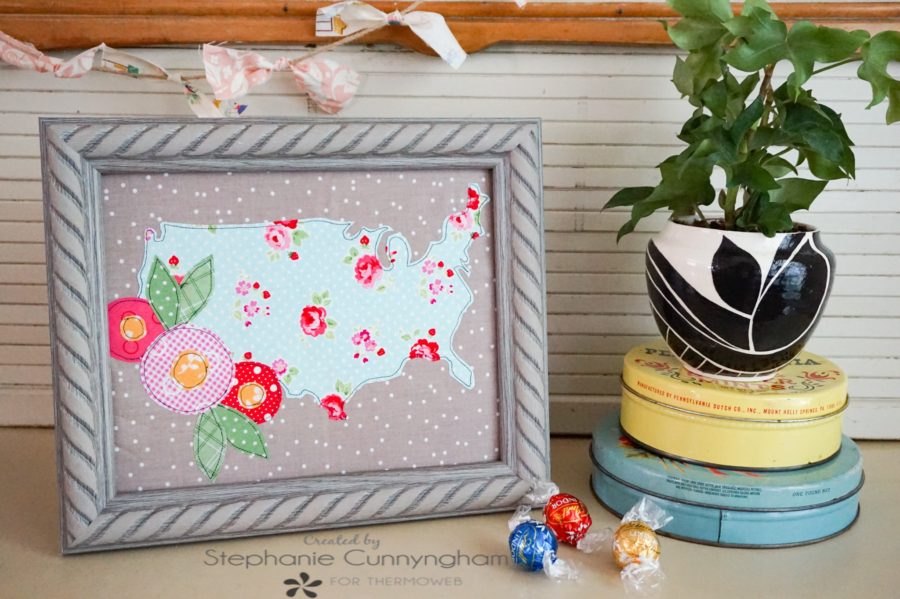
HeatnBond works beautifully for:
-
Appliqué quilt blocks
-
T-shirt and sweatshirt designs
-
Tote bags
-
Pillows
-
Wall hangings
-
Hem repairs
-
Craft projects
It’s especially popular in embroidery and machine appliqué.
🧷 How to Use HeatnBond (Step-by-Step)
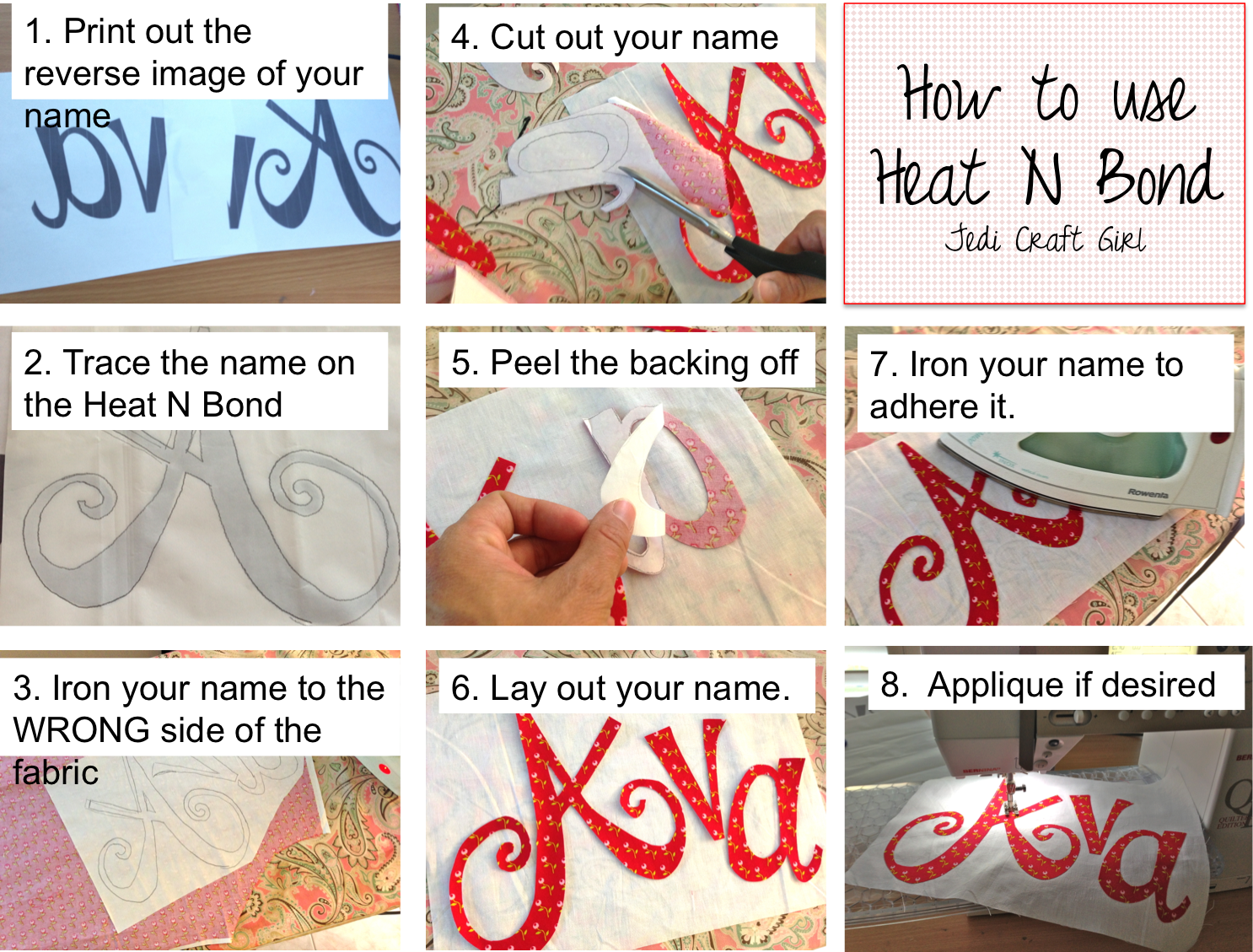
Step 1: Cut the HeatnBond
-
Cut slightly larger than your appliqué shape
-
Place paper side up, adhesive side down on fabric
Step 2: Fuse to the Wrong Side of Fabric
-
Use a dry iron
-
Follow package heat settings
-
Press (don’t slide) for recommended time
Let cool completely.
Step 3: Cut Your Shape
-
Draw or trace design on the paper backing
-
Cut out the shape cleanly
Step 4: Remove Paper Backing
-
Peel off the paper to reveal adhesive
Step 5: Fuse to Base Fabric
-
Position shape on project
-
Press again with iron
-
Allow to cool before moving
Step 6: Stitch (If Using Lite)
-
Secure edges with:
-
Zigzag stitch
-
Satin stitch
-
Blanket stitch
-
Straight stitch (decorative)
-
🧵 Can You Quilt Through HeatnBond?

✔ Yes—with HeatnBond Lite
Tips:
-
Use a sharp needle
-
Sew slowly
-
Clean needle occasionally
-
Expect slightly firmer areas
❌ Ultrahold is not recommended for quilting
🧼 Washing & Care

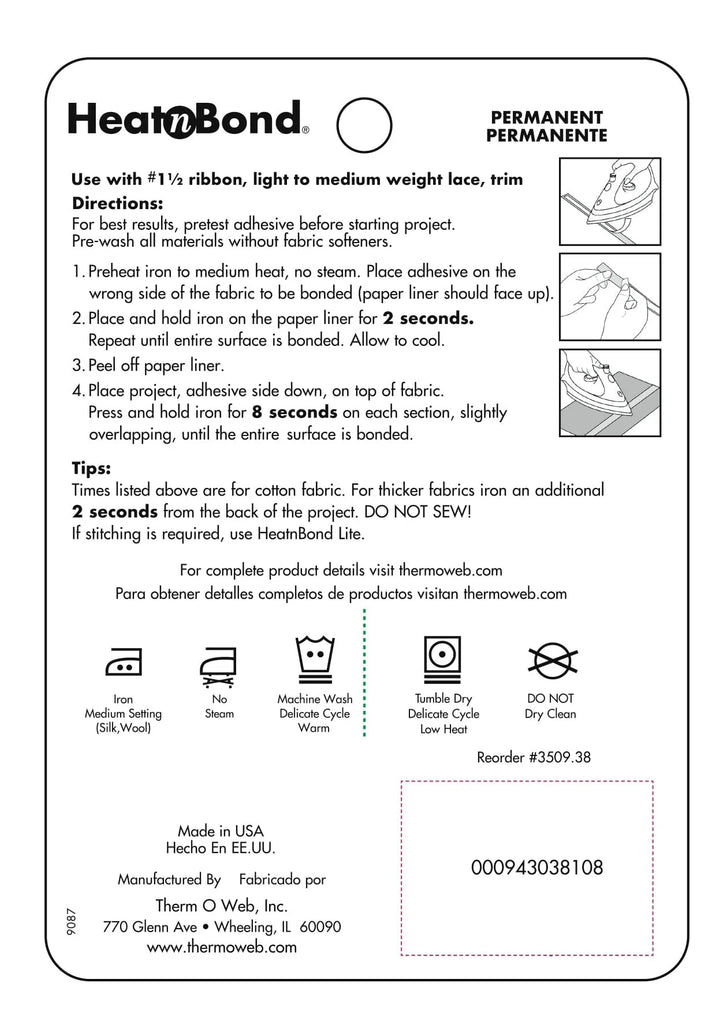
For best results:
-
Wait 24 hours before washing
-
Wash inside out
-
Cold or warm water
-
Air dry or low heat
Proper fusing ensures long-lasting results.
🚫 Common HeatnBond Mistakes
❌ Using steam
❌ Sliding the iron
❌ Skipping cooling time
❌ Using Ultrahold when sewing
❌ Overheating (can scorch adhesive)
Always follow the package instructions.
🧵 HeatnBond vs Other Fusible Webs
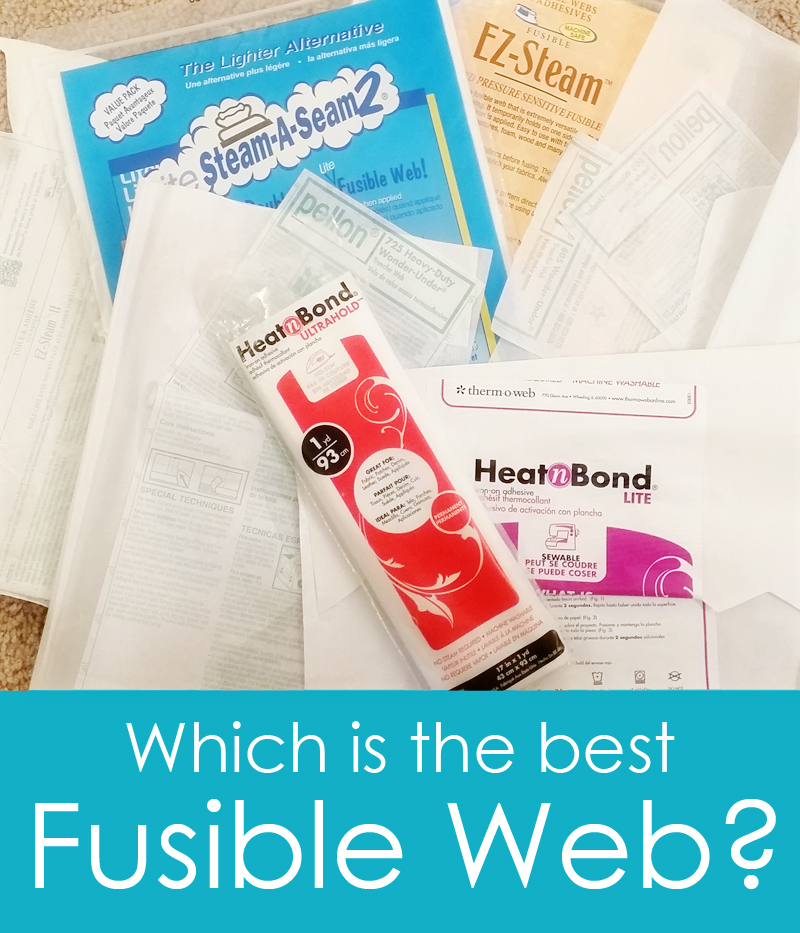

HeatnBond is favored because:
-
Consistent bonding
-
Easy availability
-
Multiple strength options
-
Reliable for both sewing and crafting
🧵 Final Thoughts
HeatnBond is one of those quiet heroes in the sewing room—simple, effective, and endlessly useful. Whether you’re adding appliqué to a quilt, creating embroidered apparel, or crafting handmade décor, using the right type of HeatnBond can save time and frustration.
Once you use it confidently, you’ll wonder how you ever worked without it.


