

Batiks vs. Traditional Quilter’s Cotton: What’s the Difference?
Batiks vs. Traditional Quilter’s Cotton: What’s the Difference?
Walk into any quilt shop and you’ll notice two fabric types that immediately stand out: vibrant batiks and familiar traditional quilter’s cotton. While both are staples in quilting, they behave very differently once you start cutting and stitching.
From a quilter’s perspective, understanding these differences can help you choose the right fabric for the right project.
🧵 What Is Traditional Quilter’s Cotton?

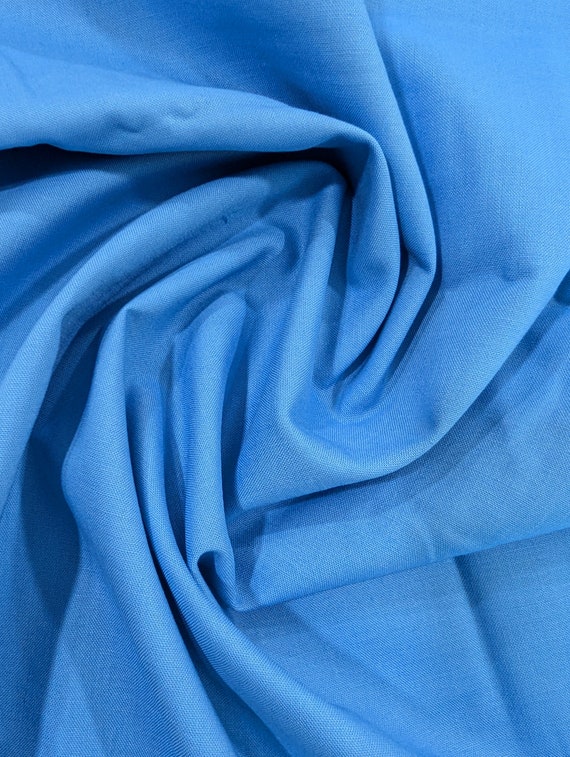
Traditional quilter’s cotton is:
-
Machine printed
-
Typically lighter weight
-
Has a clear right and wrong side
-
Soft with a smooth finish
This is the most common fabric used in quilting and is often recommended for beginners.
Why Quilters Love It
✔ Easy to cut and sew
✔ Presses flat
✔ Widely available
✔ Predictable behavior
✔ Perfect for piecing
🌈 What Are Batiks?
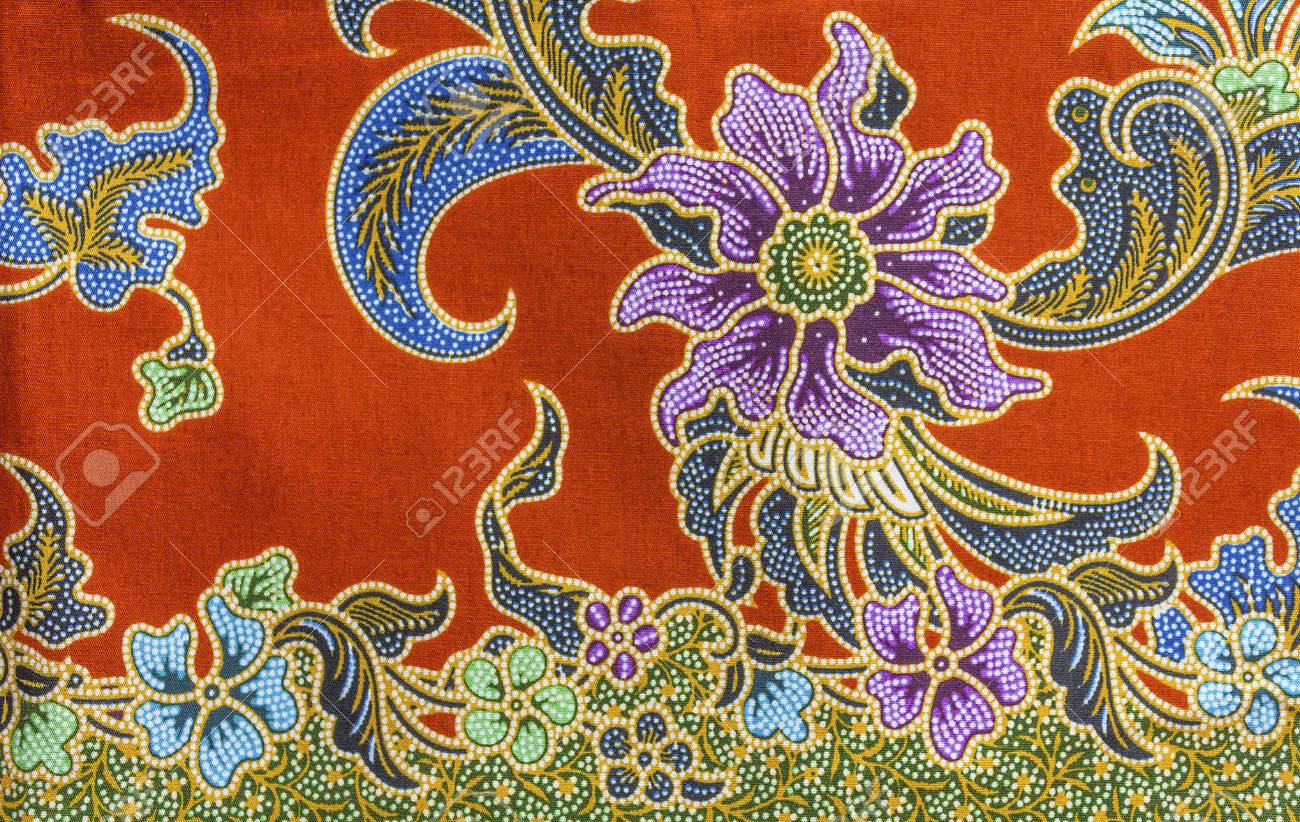

Batiks are:
-
Hand-dyed using a wax-resist process
-
Dyed multiple times
-
Richly saturated in color
-
Often have no wrong side
Batiks originate from Indonesia and are known for their depth and texture.
Why Quilters Love Batiks
✔ Deep, vibrant colors
✔ Tighter weave
✔ Minimal fraying
✔ No directional print
✔ Great for detailed piecing
🧵 Batiks vs. Quilter’s Cotton: How They Sew

Batiks
-
Slightly stiffer
-
Less stretch
-
Holds shape well
-
Excellent for precision piecing
Traditional Cotton
-
Softer hand
-
Easier to press
-
Slight stretch
-
Forgiving for beginners
🧵 Quilter’s tip:
Batiks dull rotary blades faster due to their dense weave.
🎨 Color & Design Differences

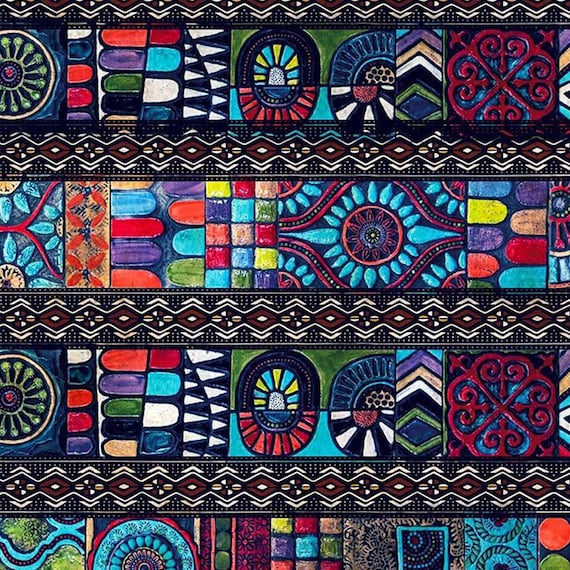
Batiks
-
Subtle color variations
-
Organic patterns
-
No obvious repeats
-
Great blenders
Quilter’s Cotton
-
Bold prints
-
Clear motifs
-
Directional designs
-
Great for themed quilts
⚖️ Batiks vs. Quilter’s Cotton Comparison Chart
| Feature | Batiks | Traditional Quilter’s Cotton |
|---|---|---|
| Weave | Tighter | Slightly looser |
| Feel | Firm | Soft |
| Color Depth | Very rich | Flat, printed |
| Fraying | Minimal | Moderate |
| Stretch | Low | Moderate |
| Beginner Friendly | ⭐⭐ | ⭐⭐⭐⭐ |
| Best For | Precision piecing, blenders | General quilting, novelty quilts |
🧺 Washing & Care Differences
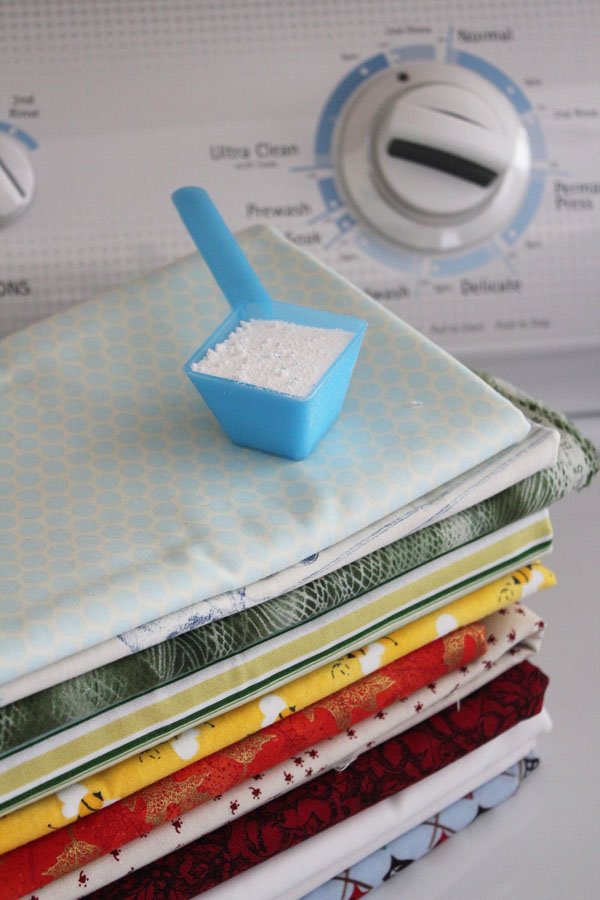

Batiks
-
May release excess dye
-
Often benefit from pre-washing
-
Use color catchers
Quilter’s Cotton
-
Less dye bleed
-
Pre-washing optional
-
Easier care overall
🧵 Quilter’s tip:
Always test batiks for colorfastness before combining with light fabrics.
🪡 Mixing Batiks & Traditional Cotton

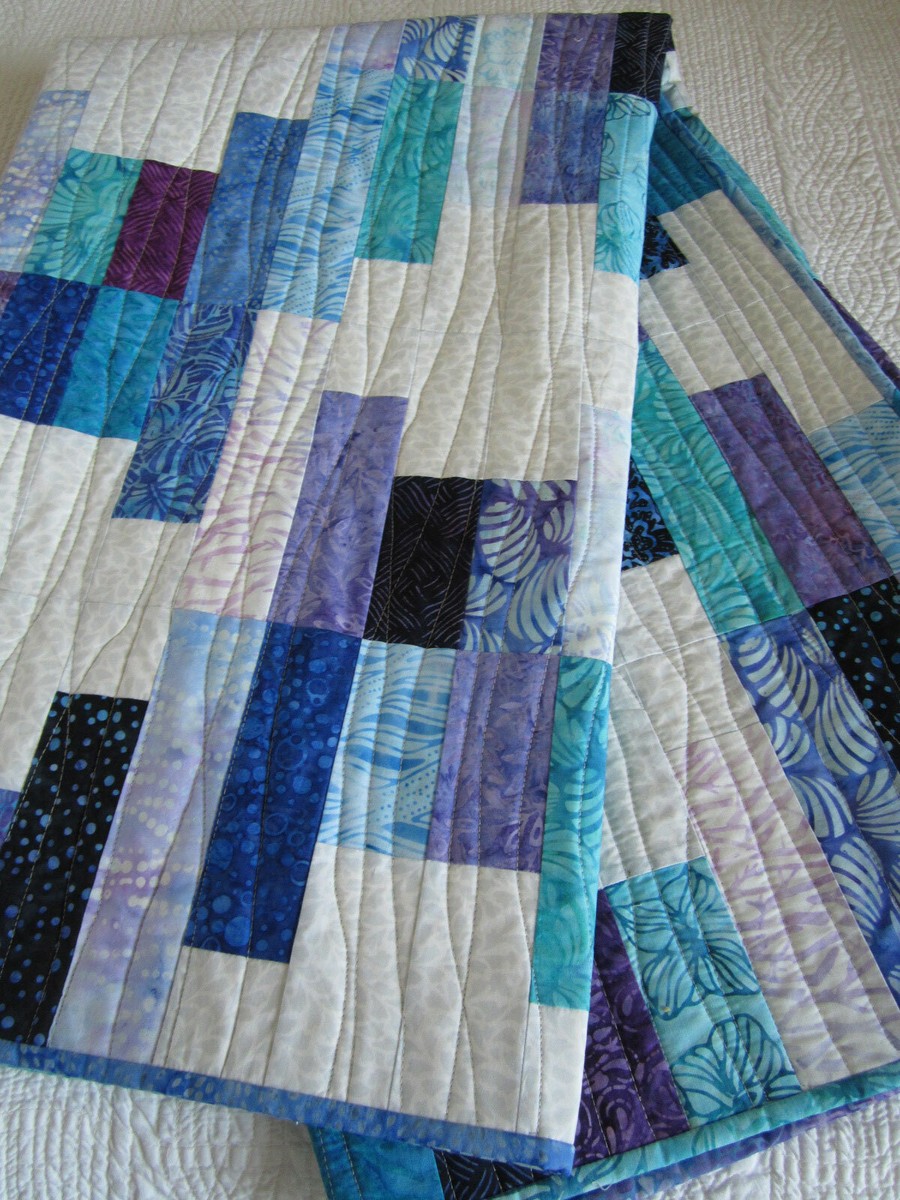
You can mix them—but keep in mind:
-
Batiks are denser
-
Quilting tension may need adjustment
-
Mixing adds texture and interest
Many modern quilts use batiks as backgrounds or blenders alongside printed cottons.
🧷 Final Thoughts From a Quilter
Both batiks and traditional quilter’s cotton have a place in quilting. The key is knowing how they behave and choosing based on your project—not just how pretty they look on the bolt.
-
Want precision and rich color? → Batiks
-
Want softness and ease? → Quilter’s cotton
There’s no wrong choice—just the right fabric for the job.


