

Domestic vs. Industrial Sewing Machines: Which One Is Right for You?
Domestic vs. Industrial Sewing Machines: Which One Is Right for You?
If you sew regularly—whether quilting, crafting, or running a small handmade business—you’ve probably wondered:
Do I need an industrial sewing machine, or is a domestic machine enough?
The answer depends on what you sew, how often you sew, and what you expect from your machine. Let’s break it down.
🧵 What’s the Difference, Really?
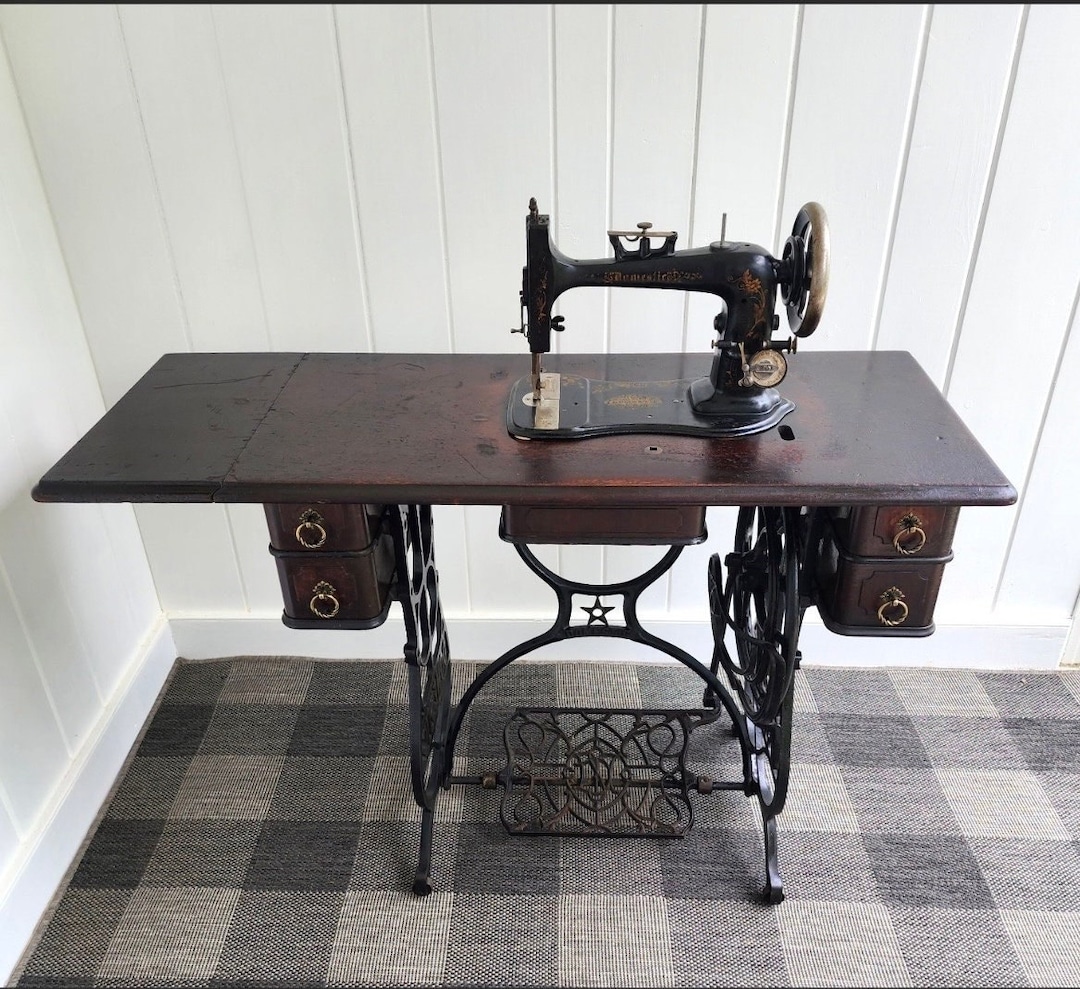

At a glance:
-
Domestic machines are designed for versatility and home use
-
Industrial machines are built for speed, strength, and repetition
Neither is “better” overall—they serve different purposes.
🏠 Domestic Sewing Machines


What They’re Designed For
Domestic machines are made for:
-
Quilting
-
Garment sewing
-
Crafts and home décor
-
Occasional heavy fabrics
They usually include multiple stitches, adjustable settings, and portability.
Pros
✔ Affordable
✔ Multiple stitch options (zigzag, decorative, buttonholes)
✔ Portable and compact
✔ Beginner-friendly
✔ Easy to service locally
Cons
✖ Slower than industrial machines
✖ Less powerful for very thick layers
✖ Can overheat with long sewing sessions
🧵 Quilter’s note:
A high-quality domestic machine can quilt beautifully and handle most quilting projects with the right needle and thread.
🏭 Industrial Sewing Machines

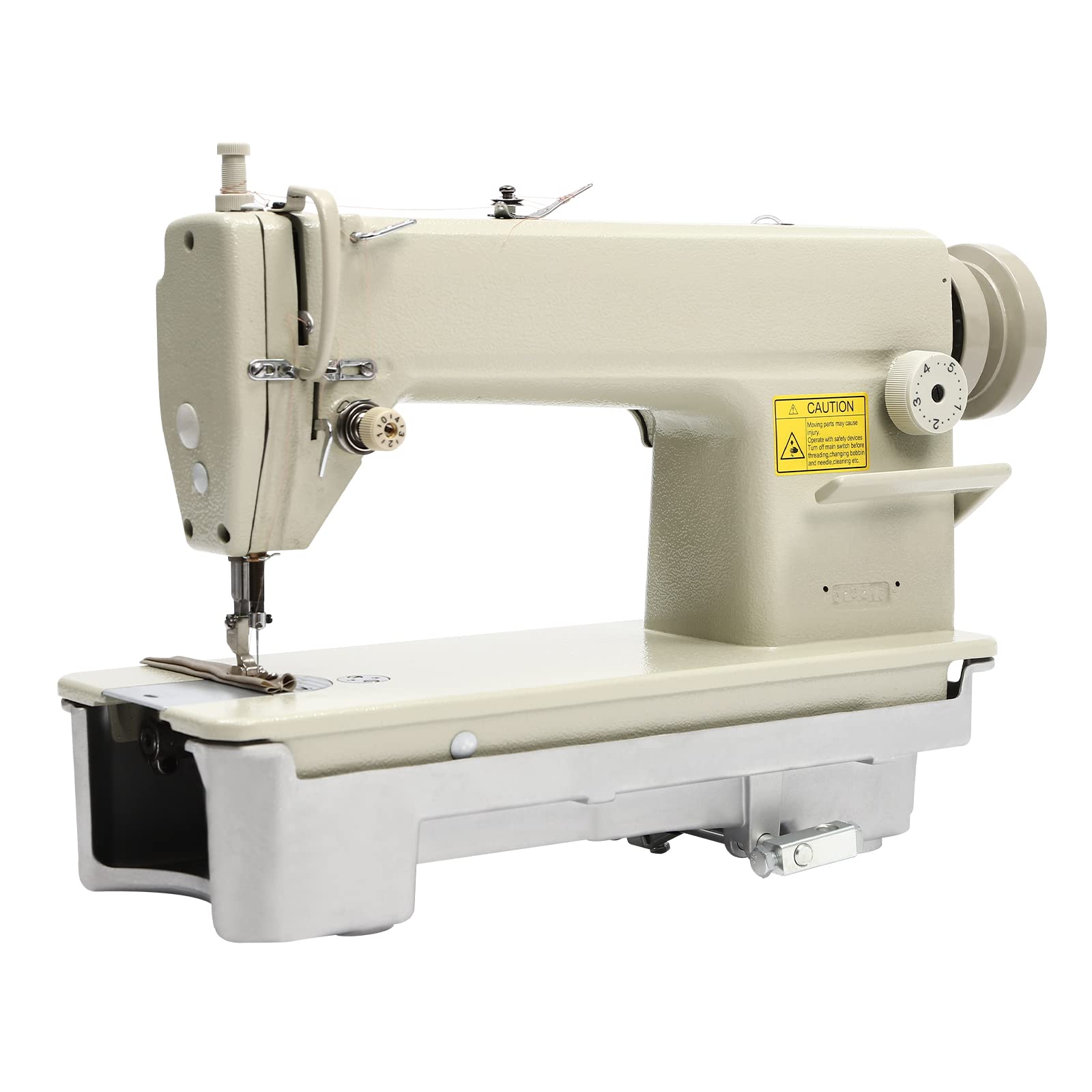
What They’re Designed For
Industrial machines are built for:
-
Speed
-
Consistency
-
Heavy, repetitive sewing
-
Production work
Most industrial machines are single-purpose, such as straight stitch only.
Pros
✔ Extremely fast
✔ Powerful motor
✔ Handles thick layers effortlessly
✔ Designed for all-day use
✔ Consistent stitch quality
Cons
✖ Expensive upfront cost
✖ Large and heavy (not portable)
✖ Usually only one stitch
✖ Requires dedicated space
✖ Louder than domestic machines
🧵 Maker’s note:
Industrial machines shine in production environments—like making bowl cozies, bags, or garments in volume.
🧵 Stitch Variety vs. Stitch Quality

-
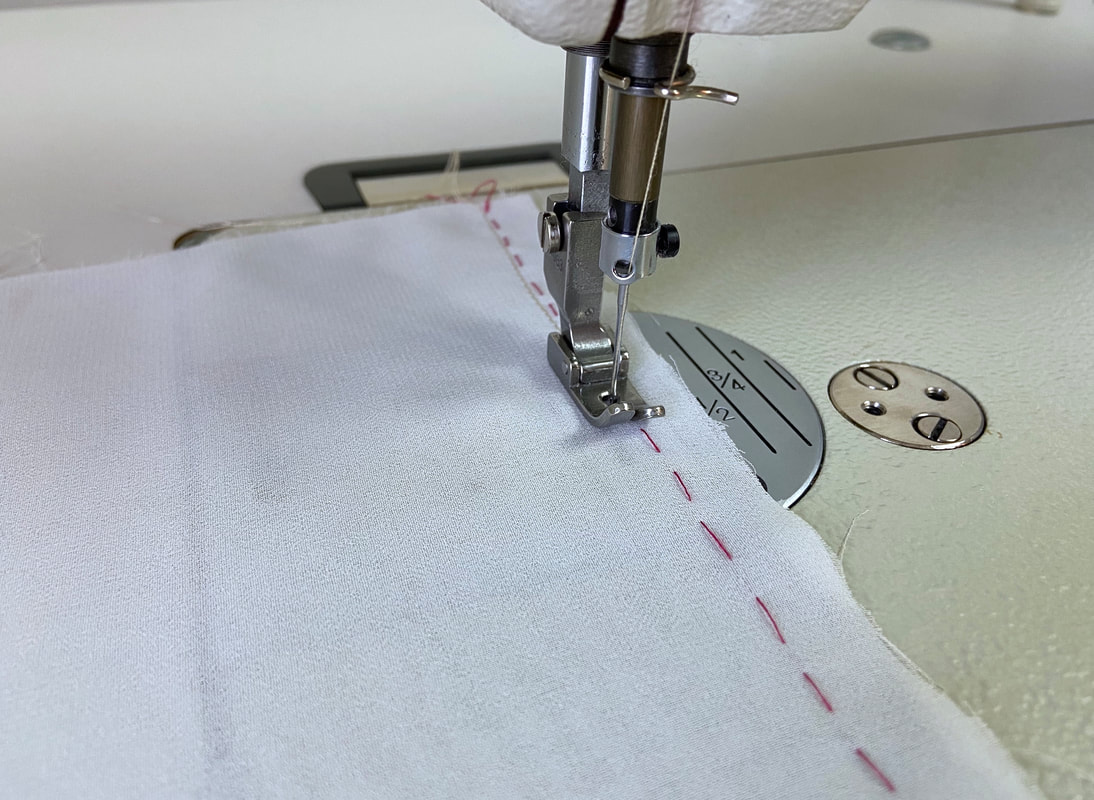
Domestic machines offer many stitch styles
-
Industrial machines focus on doing one stitch extremely well
If you rely heavily on zigzag, stretch stitches, or decorative stitching, a domestic machine is often the better fit.
⚖️ Domestic vs. Industrial Comparison Chart
| Feature | Domestic Machine | Industrial Machine |
|---|---|---|
| Speed | Moderate | Very Fast |
| Power | Medium | High |
| Stitch Types | Multiple | Usually one |
| Portability | ✔ Yes | ✖ No |
| Noise Level | Quieter | Louder |
| Best For | Quilters, hobbyists | Production sewing |
| Cost | $$ | $$$$ |
| Learning Curve | Beginner-friendly | Steeper |
🧵 Which One Is Best for Quilters?


Most quilters do not need an industrial machine.
A good domestic machine is ideal for:
-
Piecing
-
Quilting
-
Appliqué
-
Free-motion quilting
-
Small batch handmade items
Some professional quilters use both:
-
Domestic machine → versatility
-
Industrial machine → speed for repetitive tasks
🏪 What About Small Sewing Businesses?
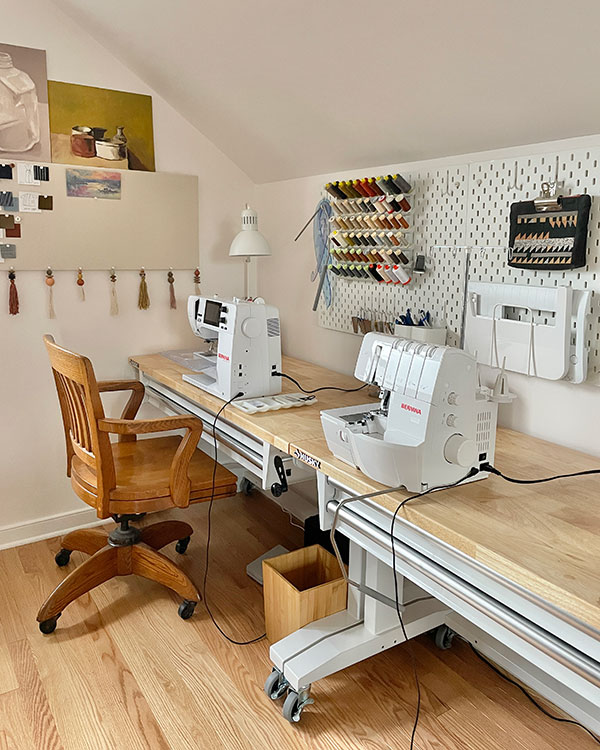

If you:
-
Sew daily
-
Produce items in bulk
-
Work with thick materials
-
Need speed and consistency
➡️ An industrial machine may be worth the investment.
Many makers start with a domestic machine and upgrade only when demand requires it.
🧷 Final Thoughts
From a sewing perspective, the best machine is the one that:
-
Fits your space
-
Matches your workload
-
Supports your creativity
-
Grows with your needs
You don’t need an industrial machine to be a “serious” quilter—and you don’t need dozens of stitches to make beautiful work.


