

Patchwork Basics
Patchwork Basics
The foundation of quilting — simple, beautiful, and beginner-friendly 🧵✨
Patchwork is the heart of quilting — it’s the process of sewing small pieces of fabric together to create a larger design. Whether you’re making your first quilt or refining your skills, mastering patchwork basics will set you up for success.
At Johnson Heirloom, we believe patchwork is where creativity meets precision — and where every quilt begins.
What Is Patchwork?


Patchwork is simply joining pieces of fabric (called patches) into blocks, then sewing those blocks into a quilt top.
It’s one of the easiest ways to start quilting because it focuses on repeating simple shapes like squares and rectangles.
Essential Tools for Patchwork


To get started, you’ll need a few basics:
- Rotary cutter
- Cutting mat
- Quilting ruler
- Sewing machine (or hand sewing tools)
- Pins or clips
- Thread
Accurate cutting tools are especially important because patchwork relies on precise pieces.
The Basic Steps of Patchwork
1. Choose Your Fabric
Pick fabrics that coordinate well — contrast helps your design stand out.
Tip: Precut bundles like charm packs (5” squares) are great for beginners.
2. Cut Your Pieces
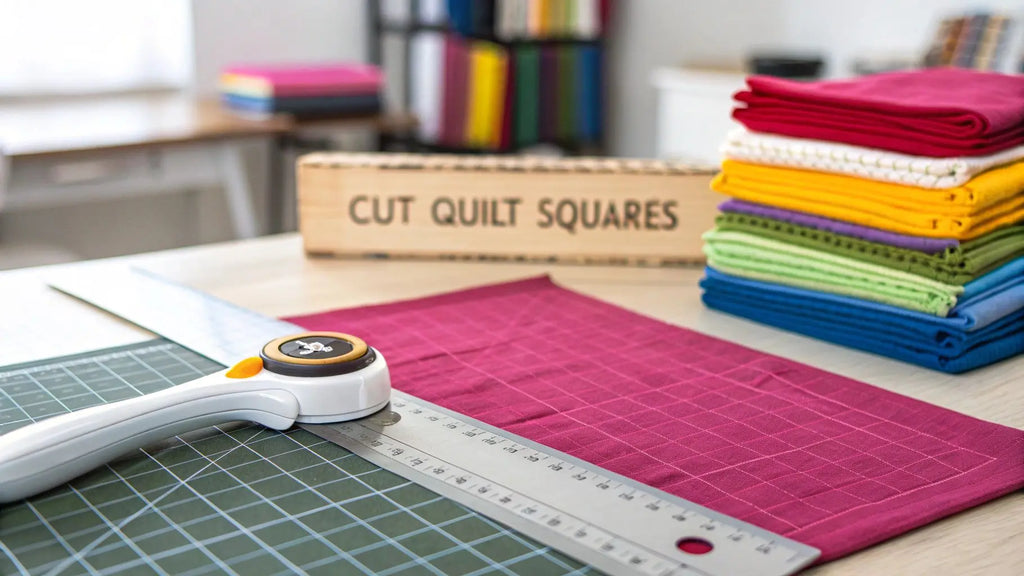

- Cut all pieces the same size
- Keep edges straight and square
- Double-check measurements
Consistency is key — even small differences can affect your final quilt.
3. Sew with a ¼” Seam Allowance

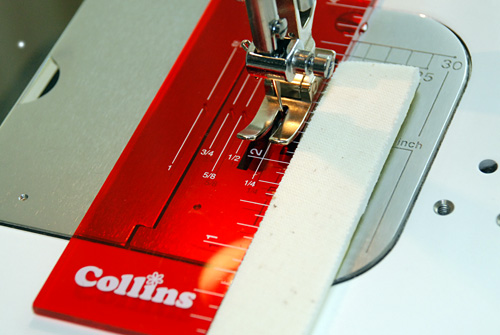
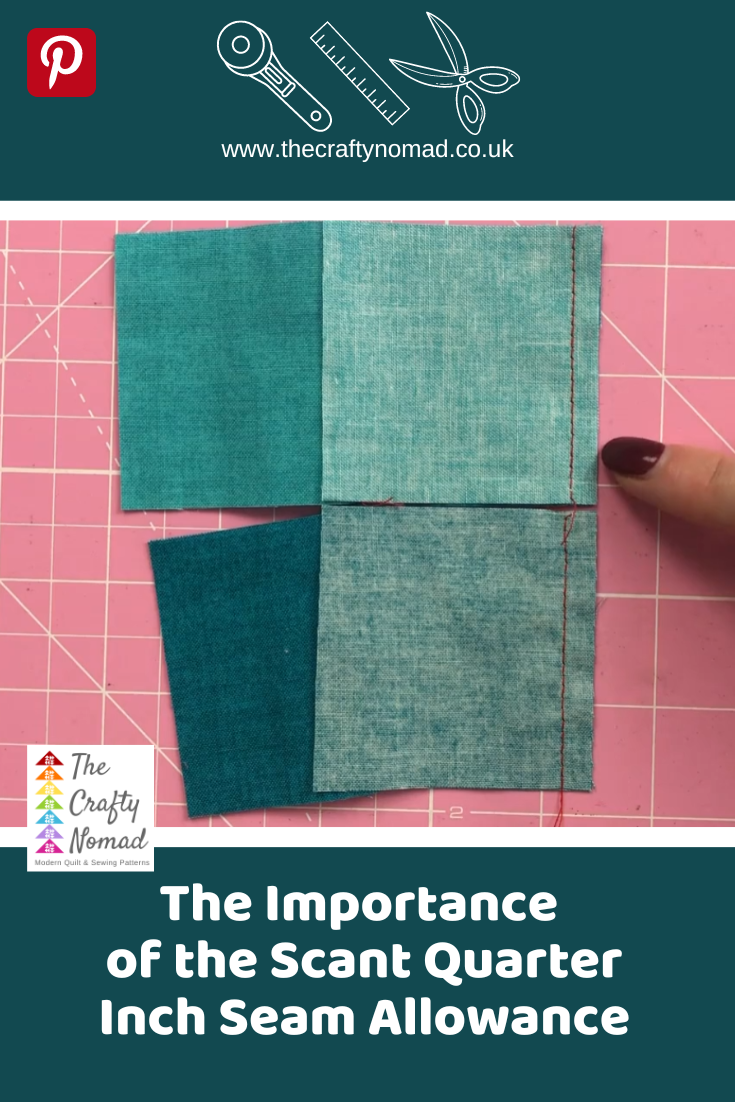
Most patchwork uses a ¼” seam allowance.
This helps:
- Keep blocks the correct size
- Ensure pieces fit together properly
- Improve overall accuracy
Accurate seams are one of the most important patchwork skills.
4. Press Your Seams
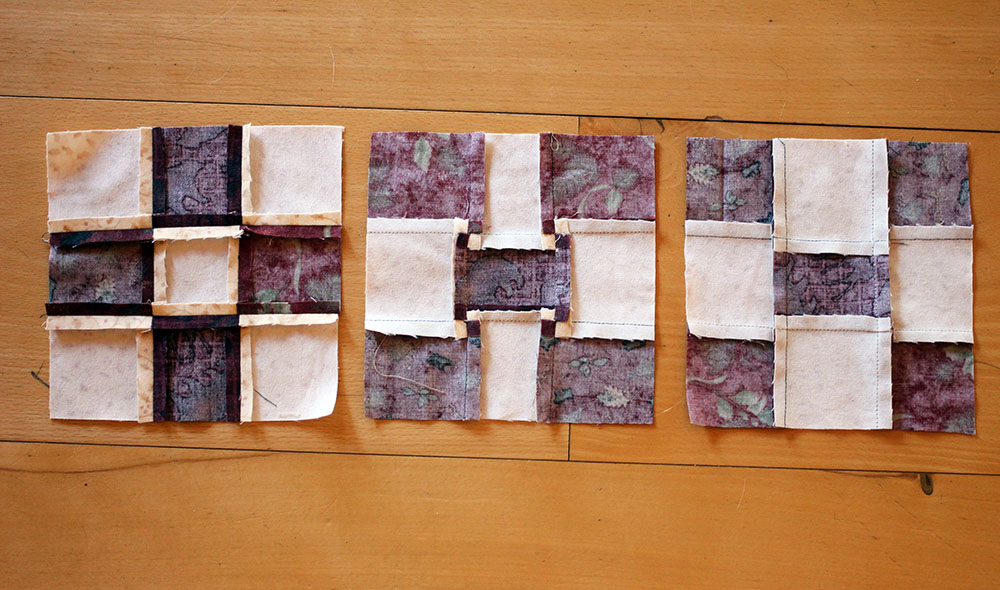
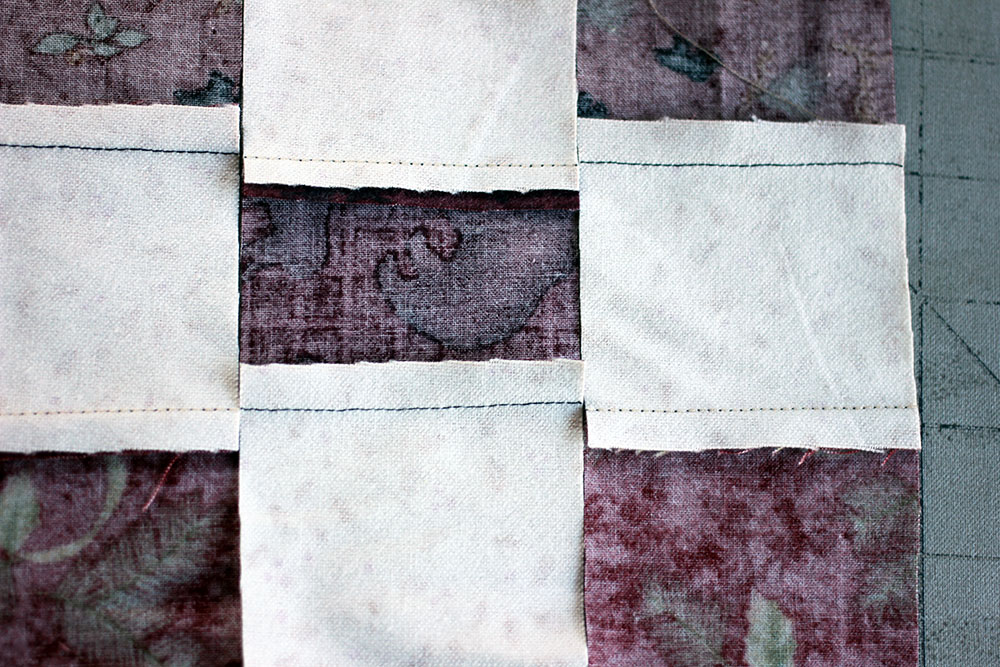

After sewing, press your seams:
- Press to one side or open
- Use steam or starch if needed
- Keep seams flat and neat
Pressing improves accuracy and helps pieces line up better.
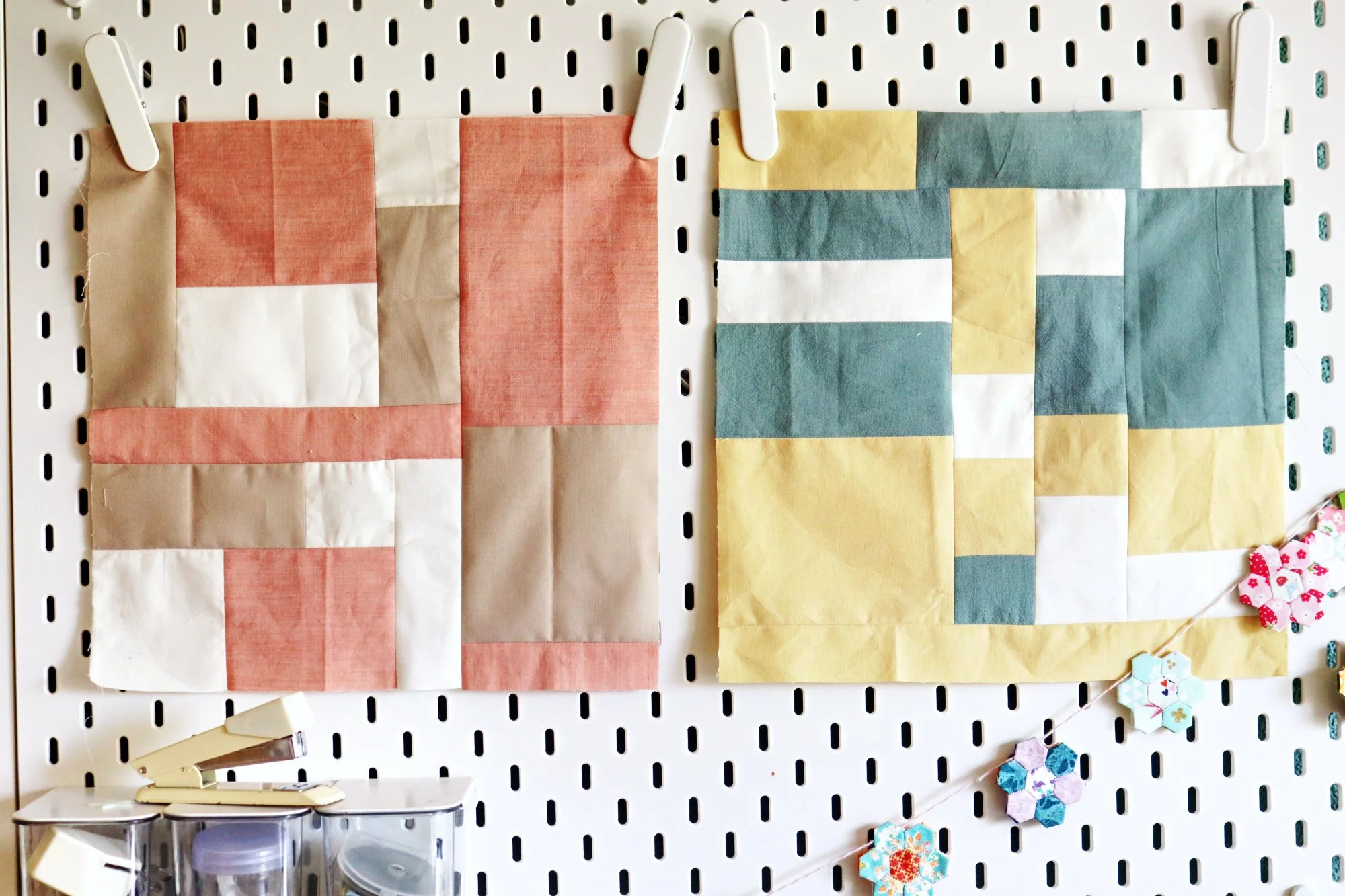
5. Build Blocks and Rows
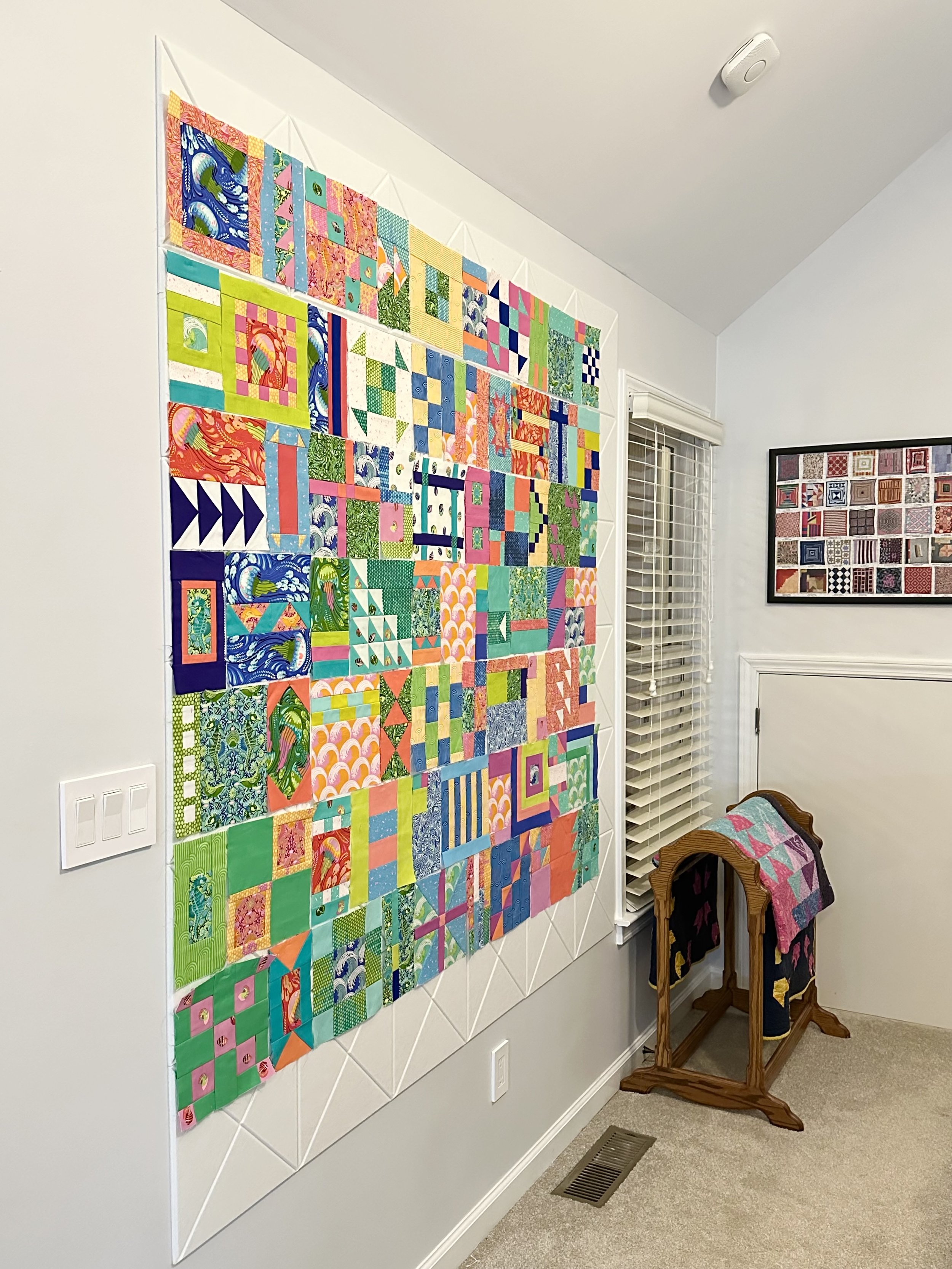

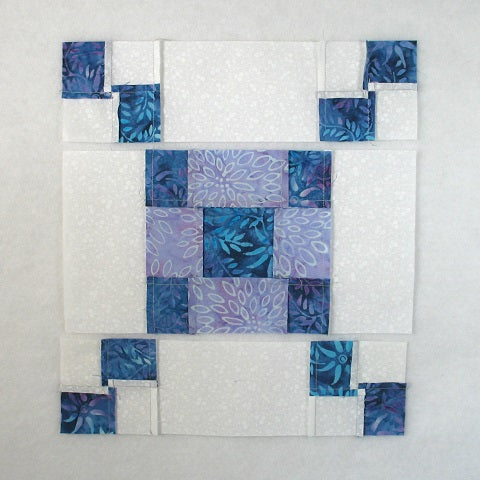
- Sew pieces into rows
- Sew rows into blocks
- Sew blocks into a full quilt top
Simple patchwork quilts often use grid layouts, which are perfect for beginners.
Beginner-Friendly Patchwork Blocks
Some classic blocks to start with:
- 4-Patch (simple square layout)
- 9-Patch (great for beginners)
- Half-Square Triangles (HSTs)
- Simple strip piecing
Many quilt designs are built from just a few basic blocks, making them easy to learn and repeat.
Common Patchwork Mistakes (and How to Avoid Them)
🧵 Inaccurate cutting → Always use a ruler and measure twice
🧵 Inconsistent seam allowance → Practice your ¼” seam
🧵 Skipping pressing → Press every step
🧵 Rushing → Take your time for better results
Small habits make a big difference in patchwork quality.
Tips for Success
- Start with simple square quilts
- Use fewer fabrics to avoid overwhelm
- Practice on scrap fabric first
- Chain piece to save time
- Focus on progress, not perfection
Patchwork is a skill that improves with every project.
Final Thoughts
Patchwork is where quilting begins — and where creativity truly comes to life. With just a few simple techniques, you can turn small pieces of fabric into something meaningful and lasting.
Whether you’re making your first quilt or your fiftieth, the basics never go out of style.
At Johnson Heirloom, we believe every patch tells a story — and every stitch brings it together.
Because the most beautiful quilts start one piece at a time. 🧵💛✨


