

Quilting Rulers Explained
Quilting Rulers Explained
Understanding the essential tools for accurate cutting and piecing 📏🧵
Quilting rulers are one of the most important tools in any sewing room. They help you cut fabric accurately, piece blocks precisely, and create clean, professional-looking quilts.
If you’re new to quilting, all the different ruler sizes and shapes can feel overwhelming. But once you understand what they’re used for, quilting rulers become one of your most trusted tools.
At Johnson Heirloom, we believe confidence in quilting starts with the right tools — and knowing how to use them.
What Is a Quilting Ruler?
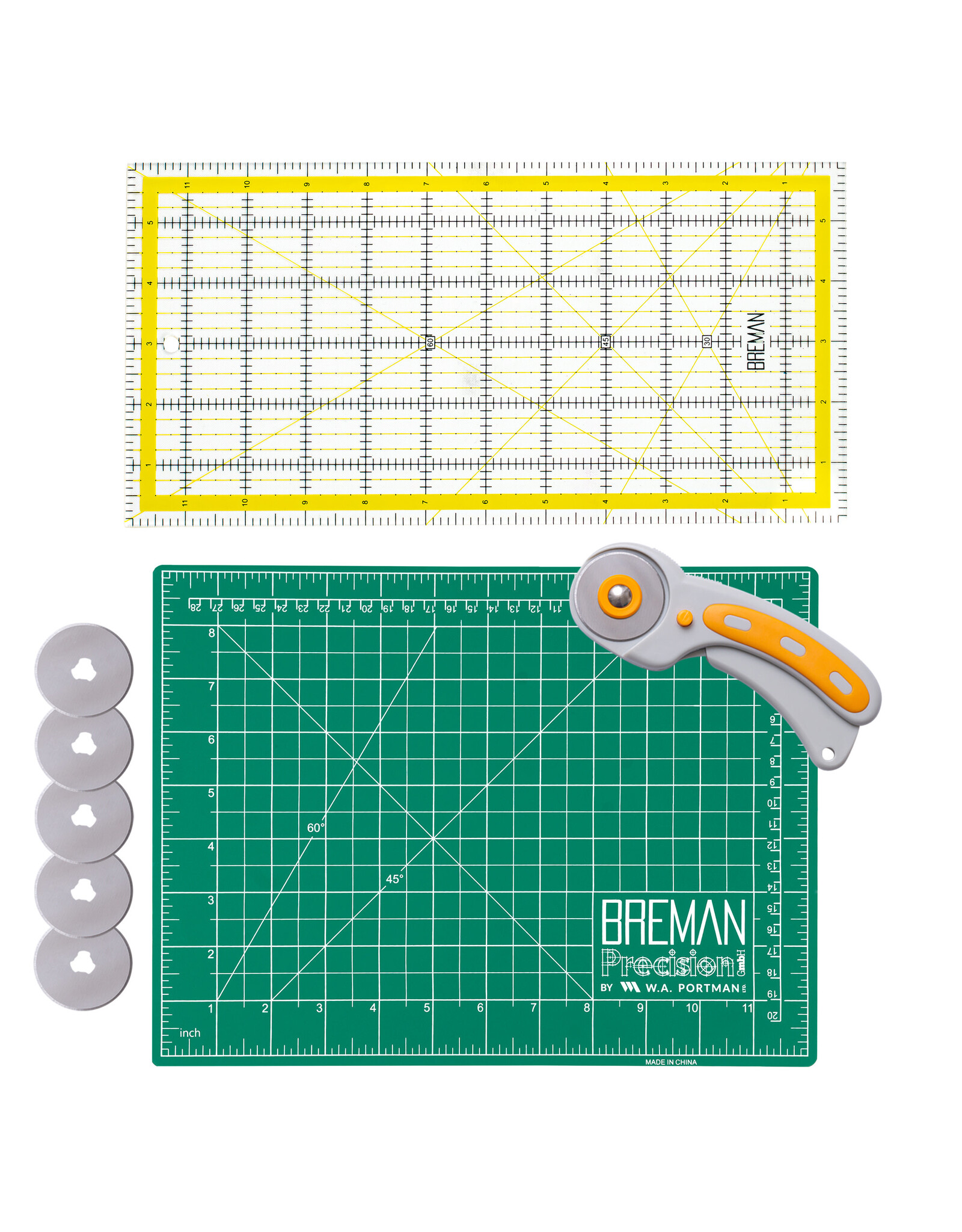


A quilting ruler is a clear acrylic ruler with grid lines and measurements designed specifically for cutting fabric with a rotary cutter.
Most quilting rulers include:
-
Inch markings
-
Grid lines
-
Angle lines (such as 45°)
-
Non-slip surfaces or markings
These features help ensure your cuts are straight, accurate, and consistent.
Basic Quilting Rulers Every Beginner Needs
6" x 24" Ruler

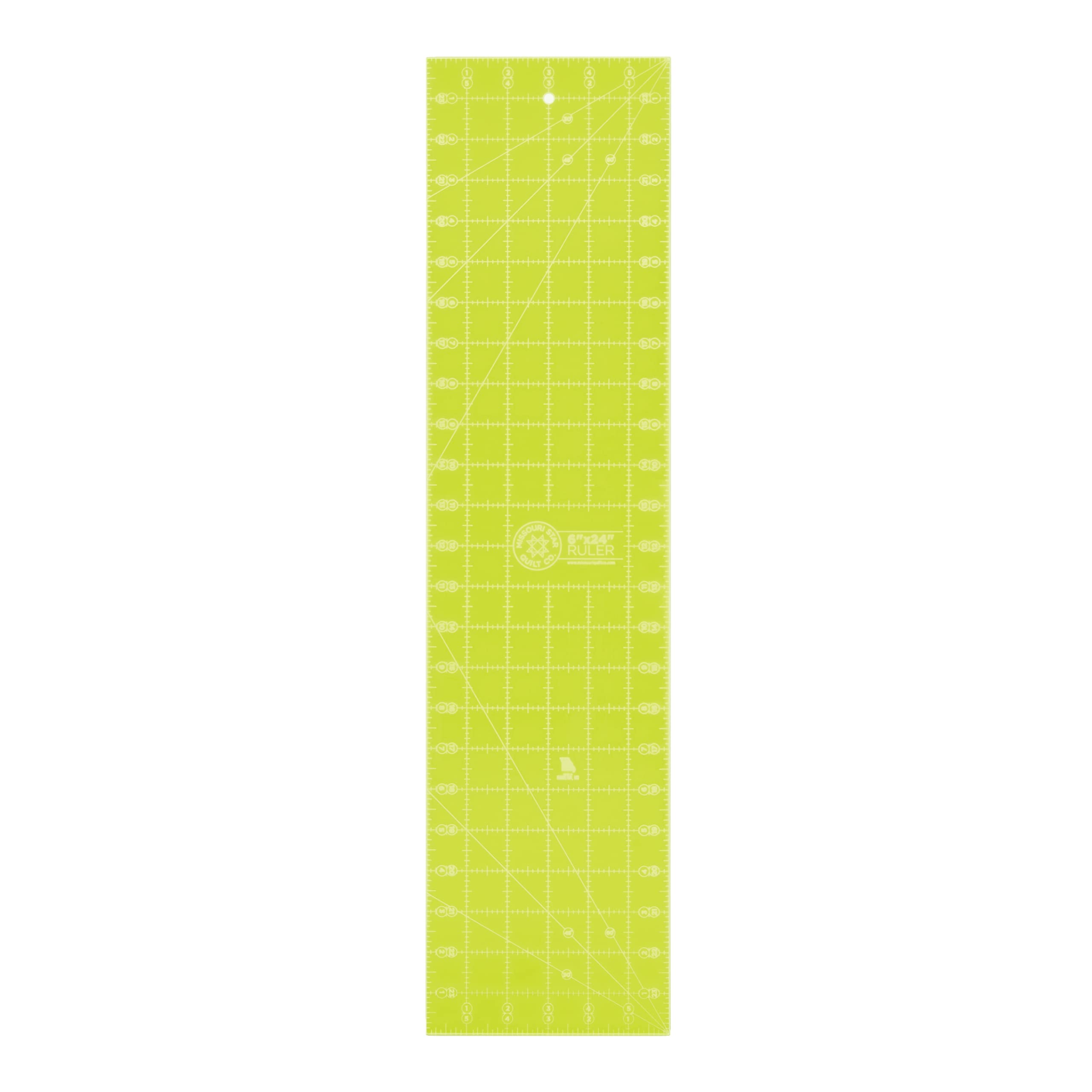

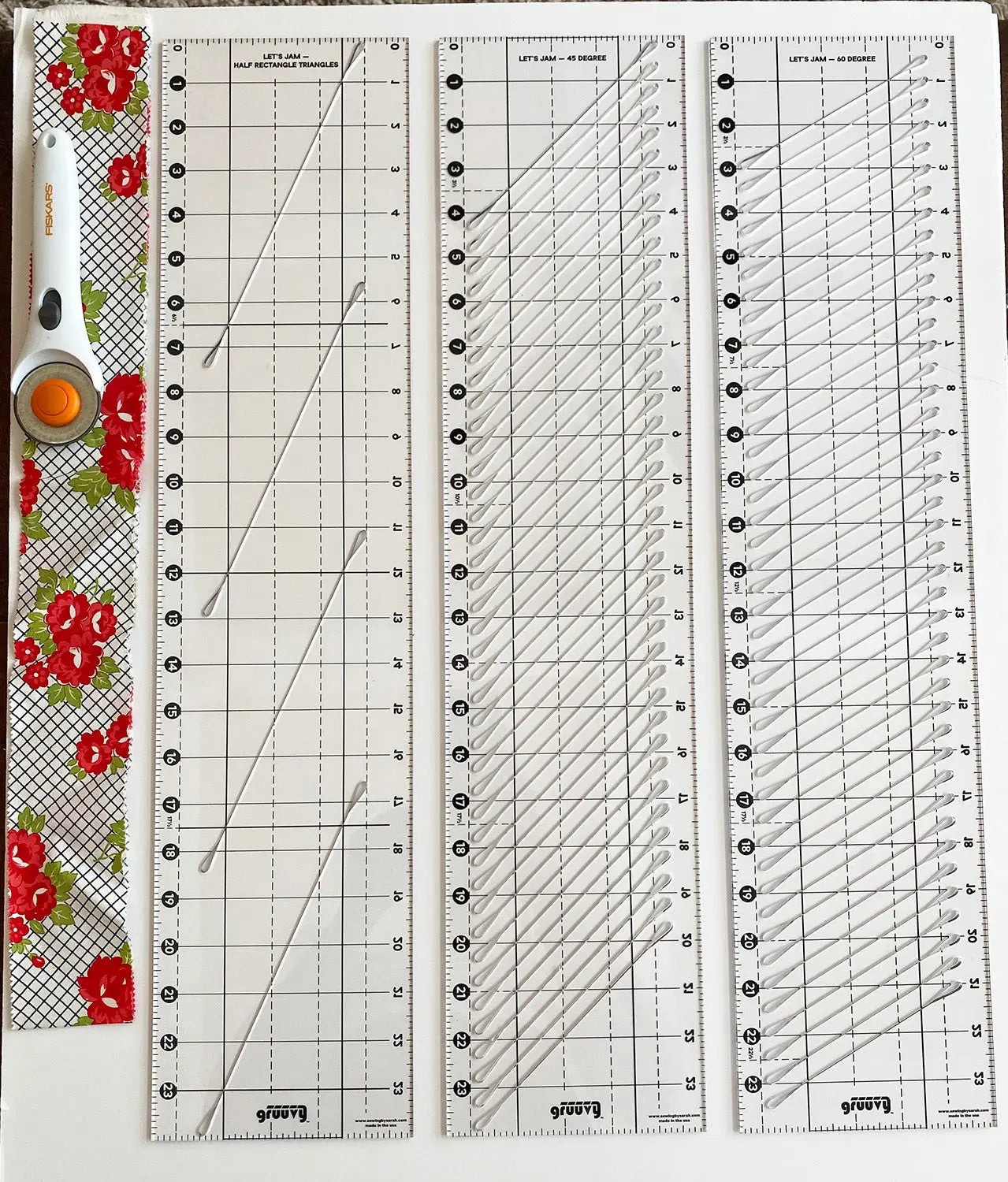
This long ruler is one of the most commonly used tools in quilting.
Best for:
-
Cutting long fabric strips
-
Squaring up larger pieces
-
Cutting yardage
If you only start with one ruler, this is a great choice.
6.5" x 6.5" Square Ruler


A square ruler is perfect for cutting and trimming smaller pieces.
Best for:
-
Squaring up quilt blocks
-
Cutting smaller squares
-
Trimming half-square triangles
This ruler helps improve accuracy in block construction.
Specialty Shape Rulers

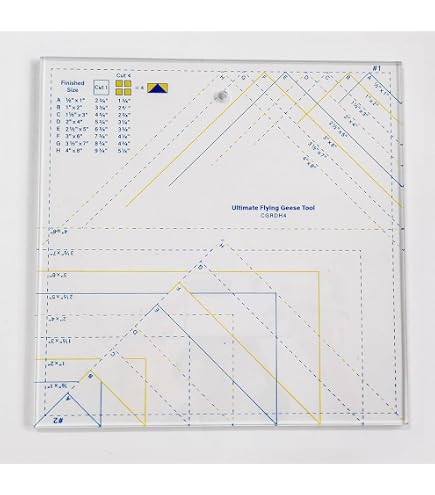

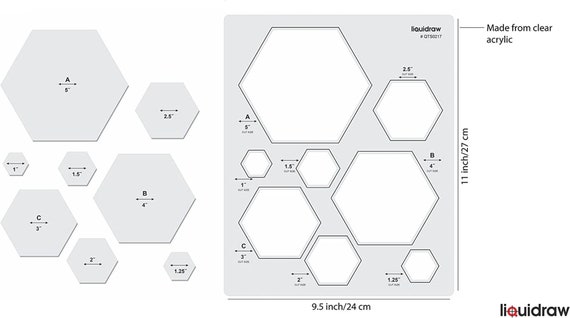
Specialty rulers are designed for specific shapes and techniques.
Common types include:
-
Triangle rulers
-
Flying geese rulers
-
Hexagon rulers
-
Strip rulers
These tools can simplify more advanced quilting designs and improve consistency.
How to Read a Quilting Ruler

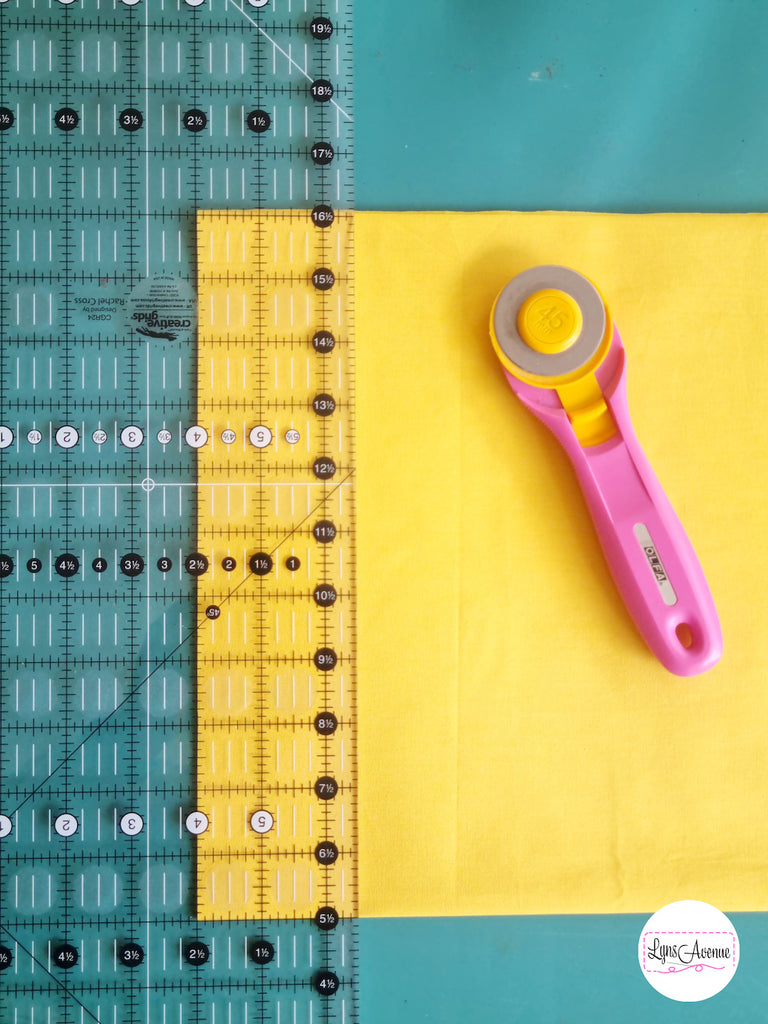

Understanding ruler markings is key to accurate cutting.
Key Features to Look For
-
Numbers: Indicate inches
-
Grid lines: Help align fabric straight on the cutting mat
-
45° lines: Used for cutting bias edges or aligning blocks
-
½" and ¼" markings: Helpful for seam allowances
Always align the ruler carefully with the fabric edge before cutting.
Tips for Using Quilting Rulers Safely and Accurately
🧵 Keep your ruler steady and flat while cutting
🧵 Use a rotary cutter with a sharp blade for clean cuts
🧵 Cut on a self-healing cutting mat
🧵 Watch your fingers — keep them away from the blade edge
🧵 Use non-slip grips or ruler stickers to prevent shifting
Accuracy starts with stability and careful alignment.
Common Beginner Mistakes
-
Not aligning fabric straight before cutting
-
Misreading ruler lines or measurements
-
Using a dull rotary blade
-
Letting the ruler slip while cutting
Taking your time and double-checking alignment can prevent these issues.
Final Thoughts
Quilting rulers may seem simple, but they are essential tools that help bring precision and consistency to your projects. With just a few basic rulers and a little practice, you can dramatically improve your cutting accuracy and overall results.
As your skills grow, you may add specialty rulers to your collection — but mastering the basics is the best place to start.
At Johnson Heirloom, we believe that the right tools and knowledge make quilting more enjoyable and rewarding.
Because every beautiful quilt begins with a straight, accurate cut. 🧵📏✨


