

Sewing Through Thick Layers
Sewing Through Thick Layers
Tips for smooth stitching when your project gets bulky 🧵✨
At some point in your sewing journey, you’ll run into thick layers — whether it’s quilt sandwiches, binding corners, seams meeting seams, or projects like bags and memory quilts.
Thick spots can cause skipped stitches, broken needles, or uneven seams… but with the right techniques, you can sew through them with confidence.
At Johnson Heirloom, we know that learning to handle bulk is a game-changer — and once you master it, your projects will look cleaner and more professional.
Why Thick Layers Can Be Challenging
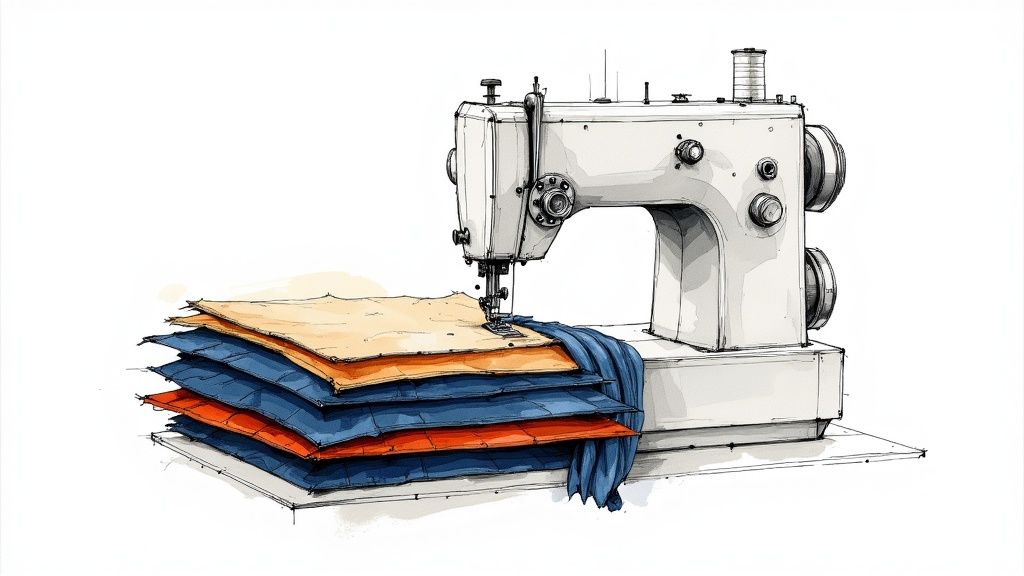

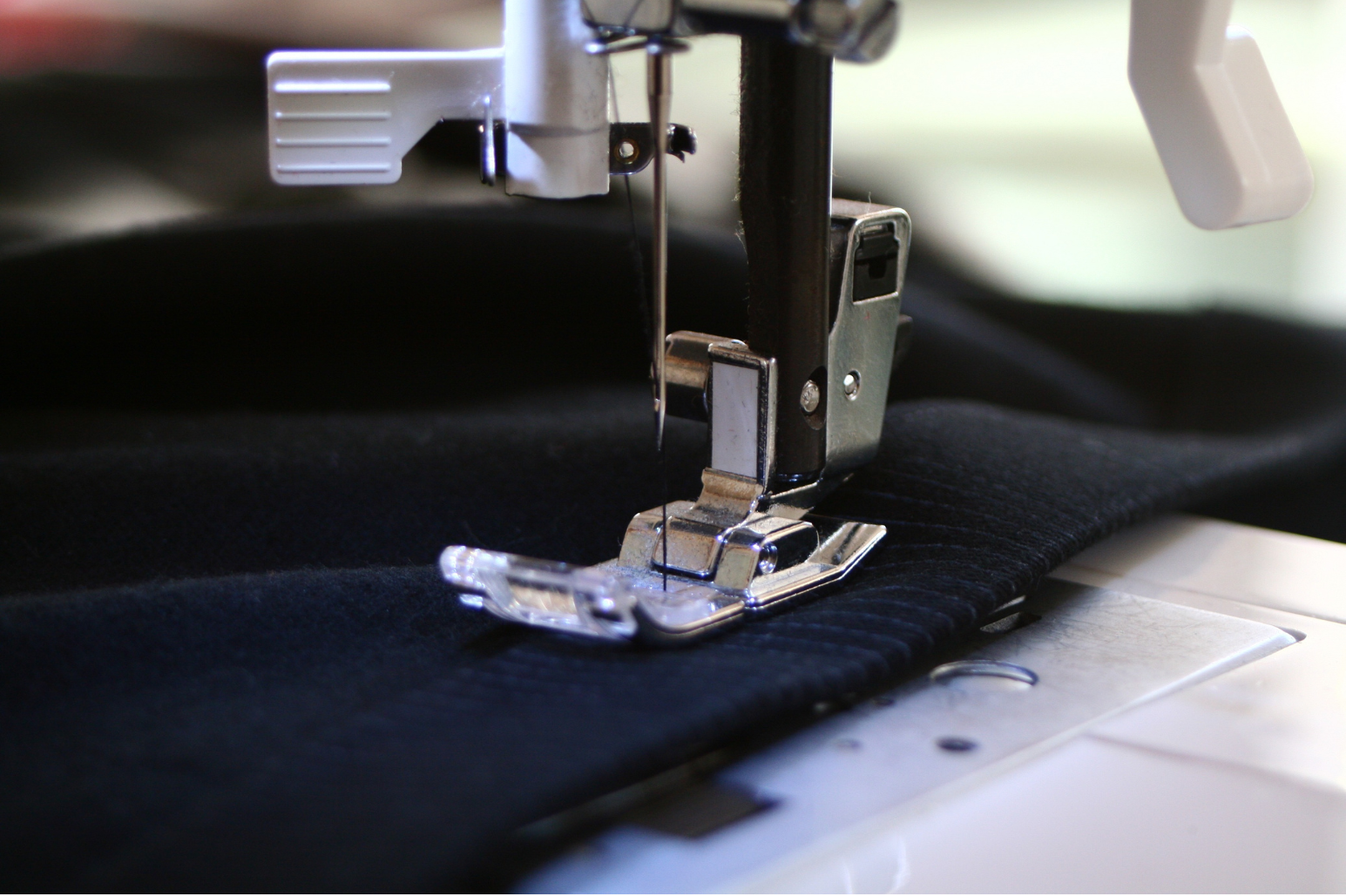
When fabric layers stack up, your machine has to work harder to feed everything evenly.
Common challenges include:
- Fabric not feeding smoothly
- Uneven stitches
- Needle breakage
- Skipped stitches
Understanding how to manage thickness helps prevent frustration.
Use the Right Needle

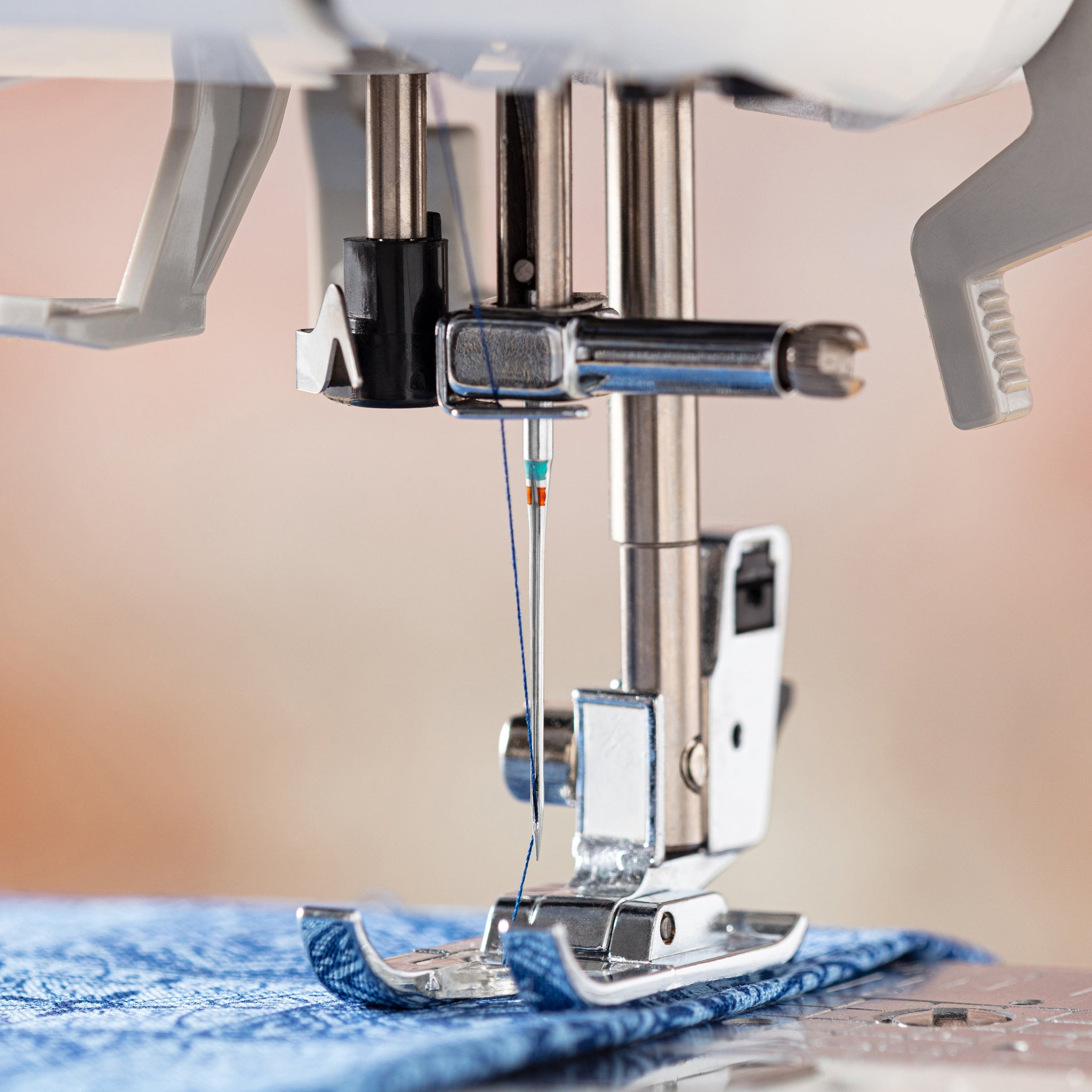
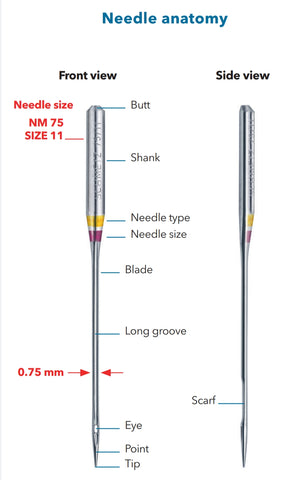
Your needle matters more than you think.
Recommendations:
- Use a 90/14 or 100/16 needle for thick layers
- Choose a quilting or denim needle for strength
- Change your needle regularly
A stronger needle can handle the extra bulk without bending or breaking.
Slow Down Your Stitching

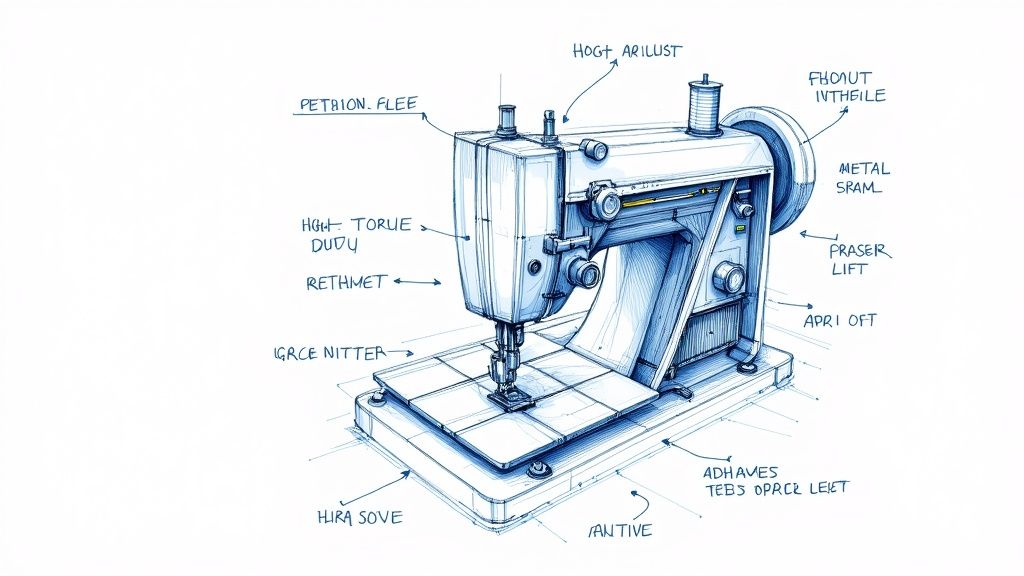
When sewing through thick areas, speed is not your friend.
Tips:
- Sew slowly and steadily
- Use your machine’s speed control if available
- Pause when approaching bulky seams
Taking your time helps your machine keep up and improves stitch quality.
Use a Walking Foot or Even Feed Foot

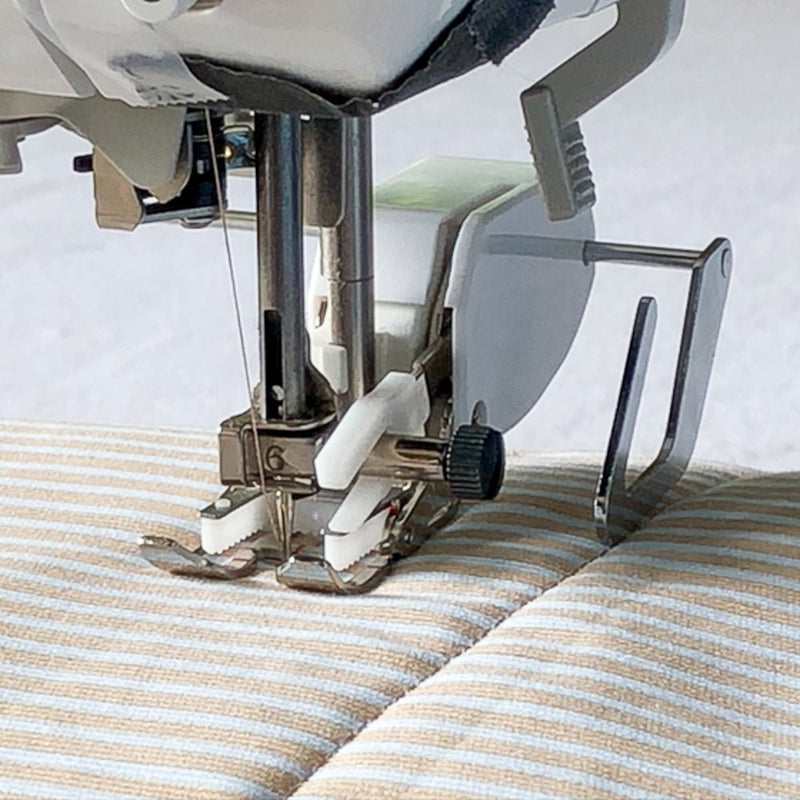

A walking foot helps feed all layers evenly.
Benefits:
- Prevents shifting between layers
- Reduces puckering
- Improves stitch consistency
This is especially helpful for quilts and layered projects.
Level Your Presser Foot

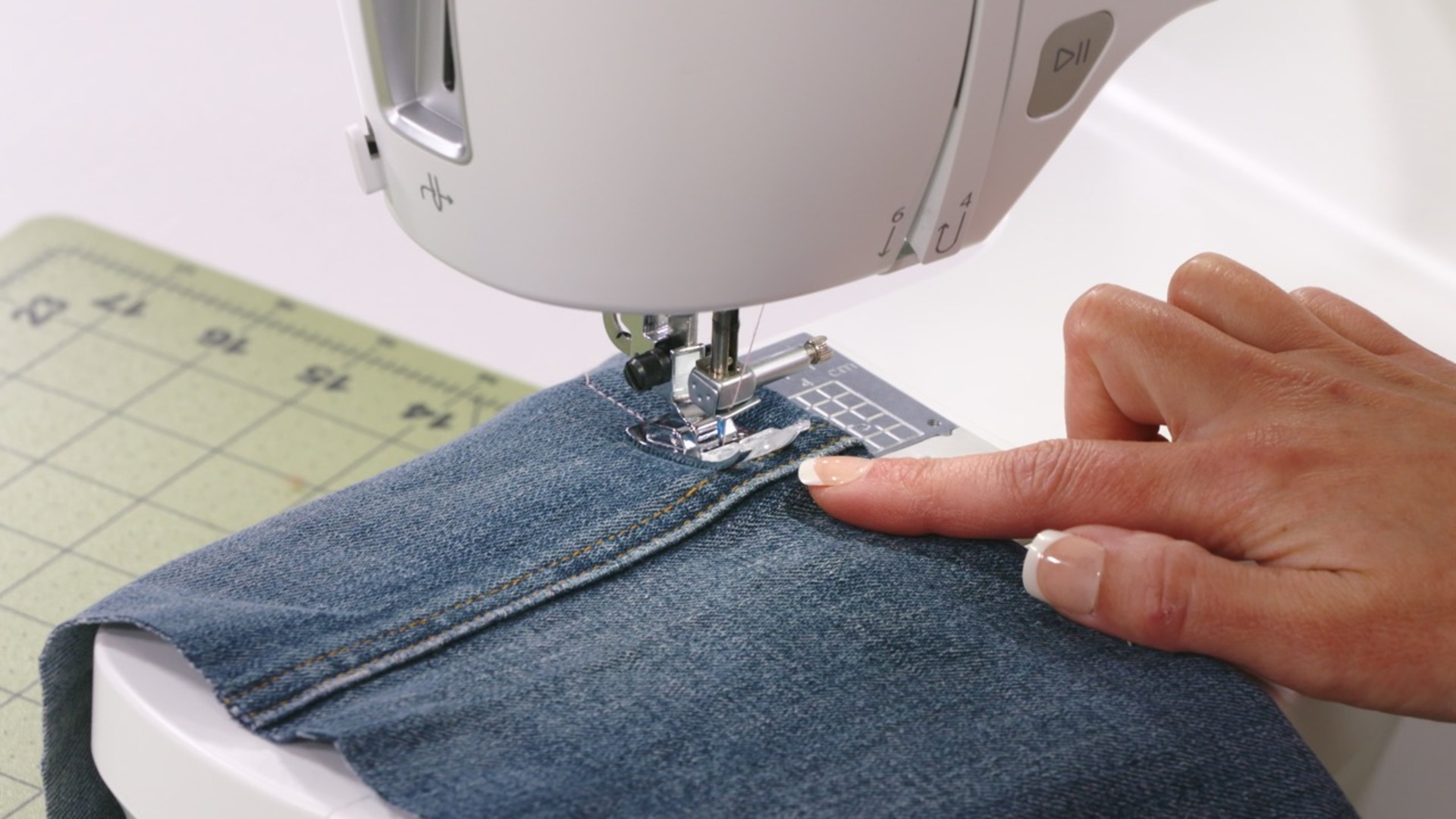
When sewing over thick seams, your presser foot can tilt — causing uneven stitches.
Solution:
Use a hump jumper (or folded fabric scrap) behind the needle to keep the foot level.
This helps your machine stitch smoothly across bulky areas.
Trim and Reduce Bulk

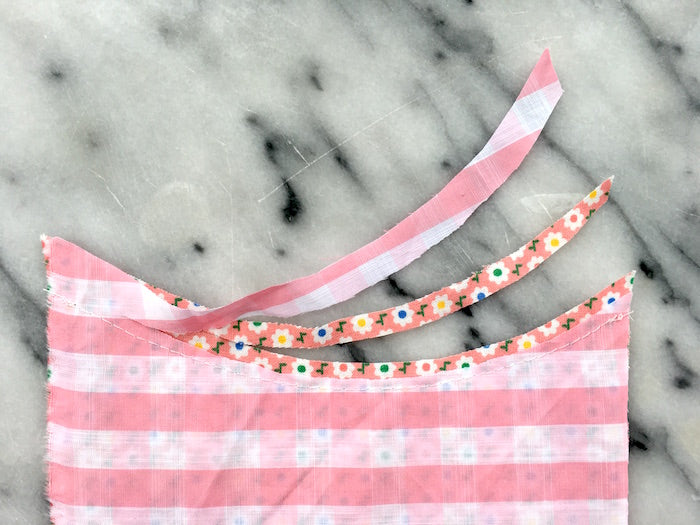

Too much bulk can make sewing difficult.
Try:
- Trimming seam allowances
- Grading layers (cutting each layer slightly different lengths)
- Pressing seams well
Reducing bulk makes a big difference in how your machine handles the fabric.
Use the Right Thread
Thicker projects need strong, reliable thread.
Tips:
- Use high-quality thread
- Avoid old or weak thread
- Match thread weight to your project
Good thread helps prevent breakage and improves stitch strength.
Final Thoughts
Sewing through thick layers can feel intimidating at first, but with the right tools and techniques, it becomes much easier. By slowing down, using the correct needle, and managing bulk, you’ll be able to handle even the thickest seams with confidence.
Like many sewing skills, it gets easier with practice.
At Johnson Heirloom, we’re here to help you build confidence — one stitch at a time.
Because every layer you sew brings your project one step closer to becoming something meaningful and lasting. 🧵💛✨


