

Should You Wash Fabric Before Sewing?
Should You Wash Fabric Before Sewing?
Understanding the pros and cons of prewashing fabric 🧵🧺
One of the most common questions quilters and sewists ask is whether fabric should be washed before starting a project. Some sewists always prewash their fabric, while others prefer to use fabric straight from the bolt.
Both approaches have benefits, and the best choice often depends on the type of project you’re making and the final look you want to achieve.
At Johnson Heirloom, we believe understanding the pros and cons of prewashing can help you decide what works best for your quilting and sewing projects.
What Is Prewashing Fabric?
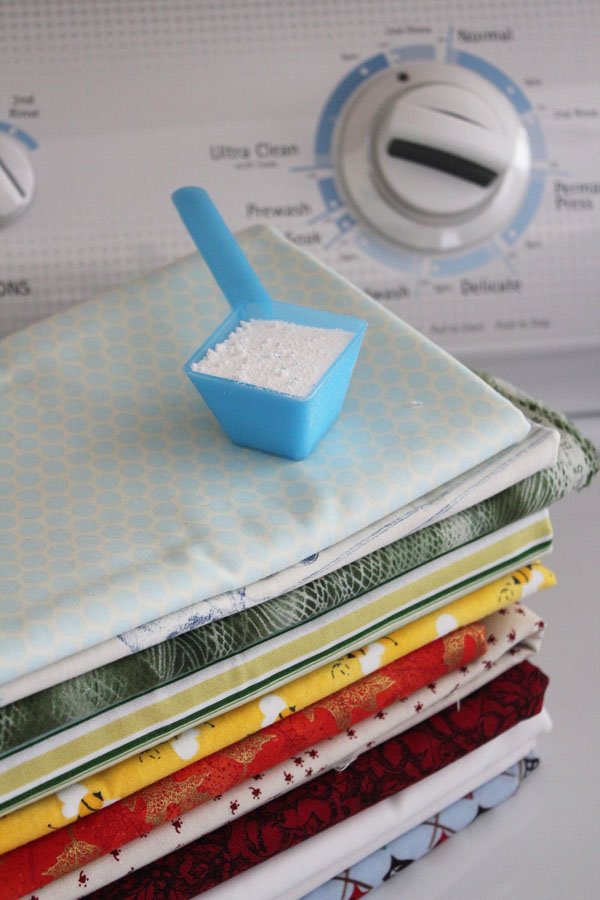
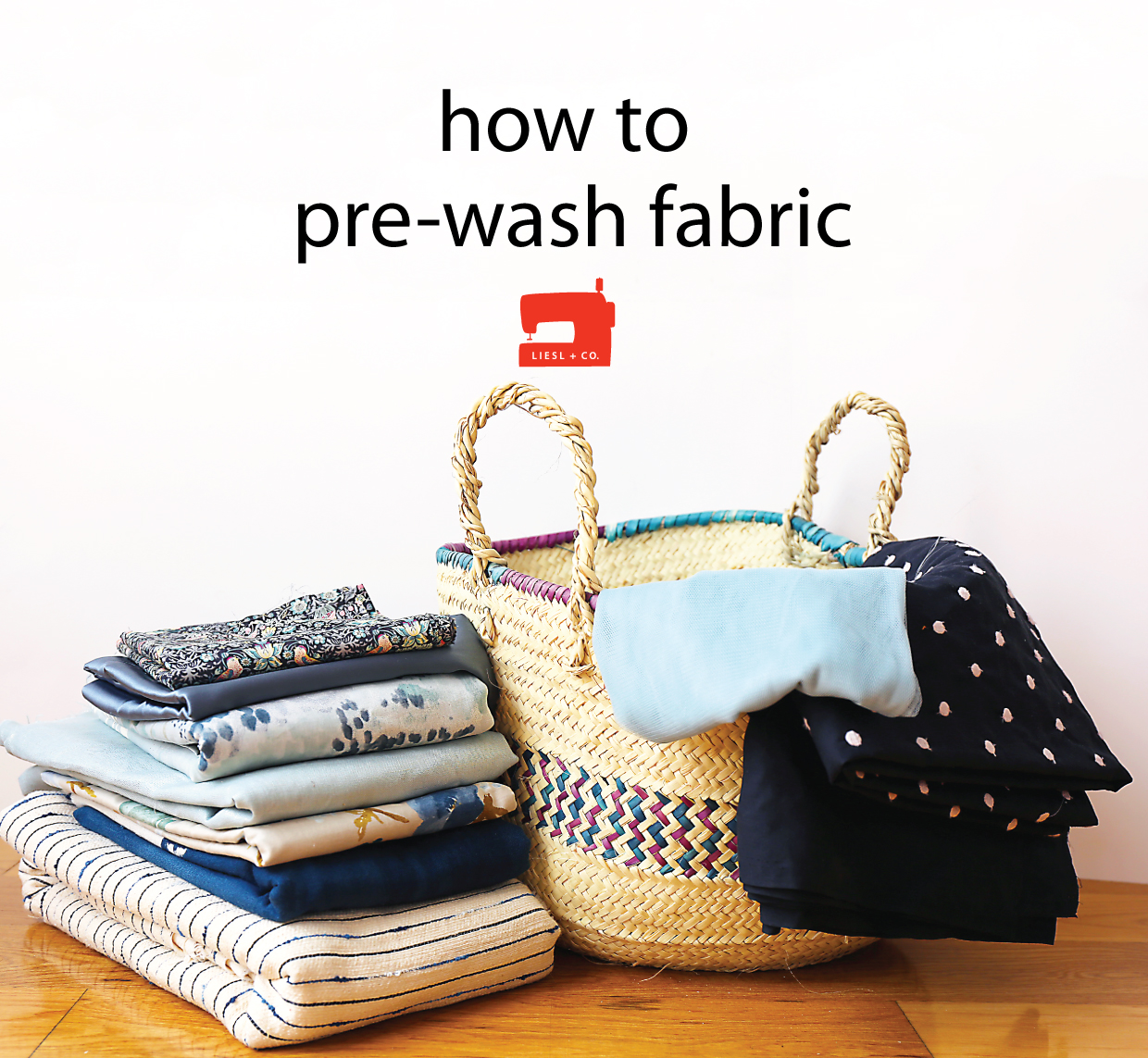
Prewashing simply means washing and drying fabric before cutting and sewing with it.
Many quilters prewash fabric to remove excess dye, preshrink the material, and soften the fabric before starting their project.
However, not every project requires prewashing, which is why opinions vary among sewists.
Pros of Washing Fabric Before Sewing
Prevents Shrinking Later
Some fabrics shrink slightly when washed. Prewashing allows that shrinkage to happen before you sew your project together, helping the finished item maintain its shape after laundering.
Removes Excess Dye
Certain fabrics, especially darker colors, may release dye during the first wash. Prewashing helps prevent dye bleeding that could transfer onto lighter fabrics in your quilt.
Softens the Fabric
Prewashed fabric often feels softer and more relaxed, which some sewists prefer when working with quilting cottons.
Removes Finishing Chemicals
Fabric manufacturers sometimes apply starch or finishing chemicals to fabrics to help them stay crisp on the bolt. Washing removes these finishes.
Cons of Washing Fabric Before Sewing
Fabric Can Become More Difficult to Cut
Fabric straight from the bolt is often crisp and easier to cut accurately. After washing, fabric can become softer and slightly wrinkled, making precise cutting a bit more challenging.
Potential Fraying
Fabric edges may fray during the wash cycle if they are not secured or placed in a laundry bag.
Loss of the “Quilt Crinkle” Look
Some quilters intentionally skip prewashing so that their finished quilt develops the classic quilt crinkle after the first wash.
Extra Preparation Time
Prewashing adds an additional step before you begin sewing, which some makers prefer to skip.
When Prewashing Is Recommended
There are certain situations where prewashing fabric is usually a good idea.
Consider prewashing when:
-
Using very dark fabrics that may bleed
-
Sewing garments or clothing
-
Combining different fabric types that may shrink differently
-
Creating items that will be washed frequently
For these projects, prewashing can help prevent unexpected changes after the finished piece is cleaned.
When You Might Skip Prewashing
Some quilters choose not to prewash fabric when:
-
Making quilts where the crinkled texture is desired
-
Using high-quality quilting cottons from the same manufacturer
-
Working on projects where precision cutting is important
Many quilt patterns are written assuming fabric has not been prewashed.
Helpful Prewashing Tips
If you choose to prewash your fabric, a few simple steps can help protect it.
🧵 Wash fabrics with similar colors together
🧵 Use cold water and mild detergent
🧵 Zigzag or serge raw edges before washing to reduce fraying
🧵 Press fabric after drying to remove wrinkles before cutting
Taking a few extra minutes to prepare your fabric can make sewing easier later.
Final Thoughts
There is no single “right” answer when it comes to prewashing fabric. Some sewists always wash their fabric first, while others prefer working with fabric straight from the bolt.
Understanding the pros and cons helps you make the best decision for your specific project.
Whether you prewash or not, the most important thing is enjoying the process and creating something beautiful.
At Johnson Heirloom, we love helping makers explore quilting techniques, fabrics, and sewing tips that make every project more enjoyable.
Happy sewing! 🧵✨


